By Antoine Abrieux

From morning coffee to afternoon tea or pre-workout supplements, caffeine is the world’s favorite performance enhancer consumed by millions to boost focus and delay fatigue. But new research from Dr. Keith Baar and Dr. Danielle Steffen at UC Davis suggests that caffeine’s benefits may come with a surprising catch: at high, continuous doses, caffeine may actually limit how well muscles and tendons adapt to exercise.
Why It Matters: A Question of Dose and Timing
Caffeine’s well-known “buzz” comes from its ability to block adenosine, a brain chemical that makes us feel tired and less alert. That same action can improve performance during workouts — but in high, sustained doses from multiple energy drinks or heavy pre-workout use, caffeine could also reduce protein synthesis in muscle and tendon, which are key steps in recovery and long-term adaptation to exercise.
Importantly, this does not mean you need to ditch your morning coffee. The effects observed here occurred at caffeine levels higher than those from one or two cups of coffee and with constant exposure rather than strategic timing. Moderate, intermittent intake may not pose the same issue, but for athletes and regular exercisers who consume caffeine throughout the day, it’s worth reconsidering how much and when.
From Booster to Blocker
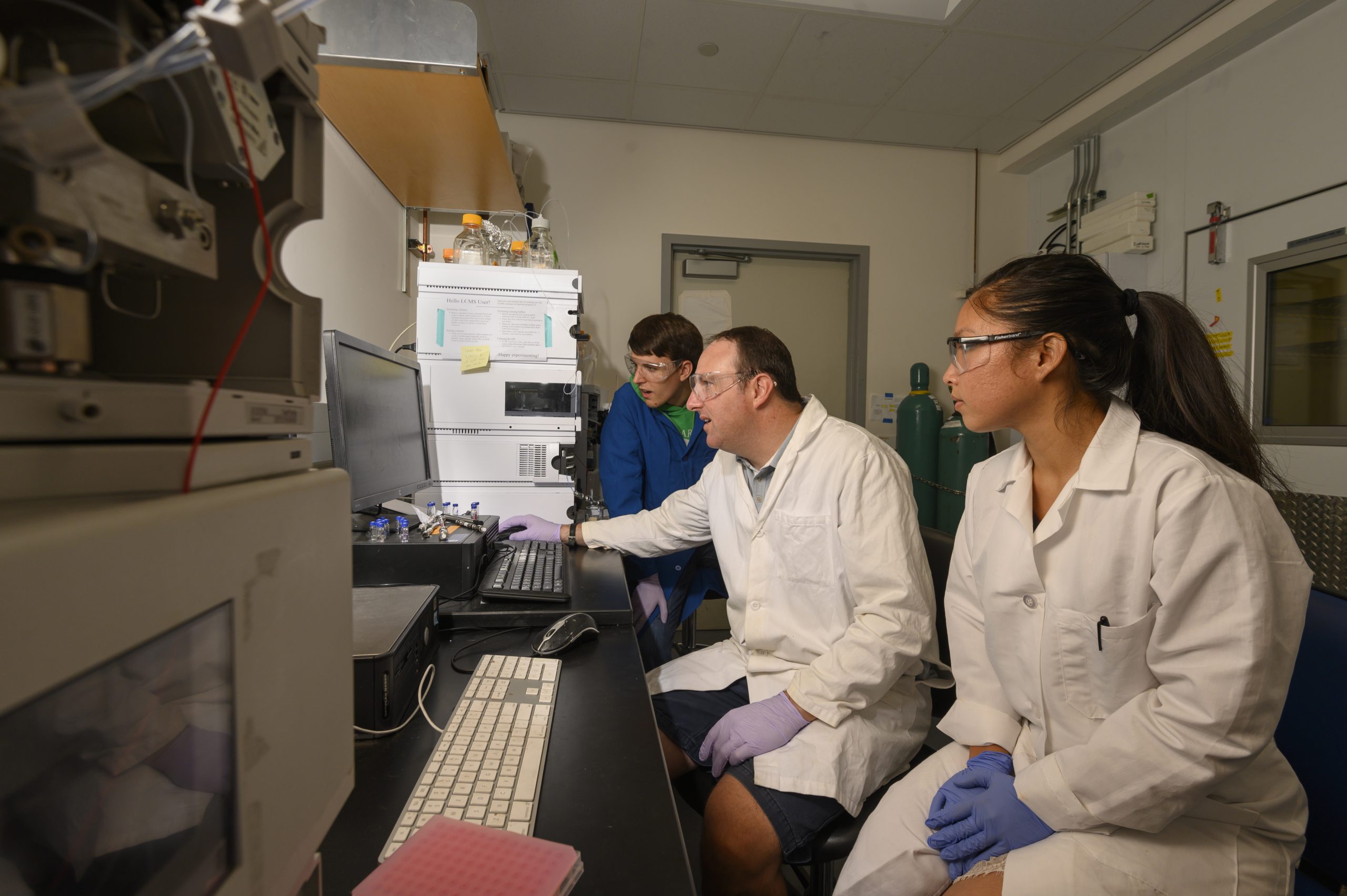
Baar’s team examined caffeine’s effects on muscle and tendon from single cells to whole animals
To test this in vivo, mice were given caffeine in their drinking water— the human equivalent of roughly six or more cups of coffee a day—and access to a running wheel for six weeks.
Exercise alone produced the expected benefits: larger muscles, increased heart mass, more tendon collagen and higher levels of mitochondrial proteins, a marker of endurance metabolism. But when high levels of caffeine were added:
In other words, the same molecule that helps us feel more energized during workout might slow our tissues’ ability to get stronger afterward if consumed in excess.
The Takeaway
Caffeine remains a potent performance aid. Yet, as Baar’s group demonstrates, more is not always better. The same molecule that wakes you up can, when consumed in excess, undermine the body’s ability to adapt to exercise training. As our understanding of how everyday dietary components like caffeine shape human physiology continues to expand, these findings underscore the importance of science-based approaches in building precision nutrition strategies that support human health and performance.