By Emma Hoch-Schneider

I’m a bit of an odd fellow (pun intended!) in this program. I grew up not far from Davis, but did my graduate studies in Copenhagen at the Technical University of Denmark, building yeast-based biosensors for my PhD and then engineering a non-model yeast often found on cheese rinds. After six years in Denmark, the IIFH Innovator Fellowship gave me a chance to reconnect with California’s food and biotechnology ecosystem. It also let me see something lab scientists rarely get a close look at: how innovation reaches the real world, and the systems that carry science out of the lab. Going to California felt less like leaving Denmark and more like crossing a familiar bridge.
The California–Denmark connection
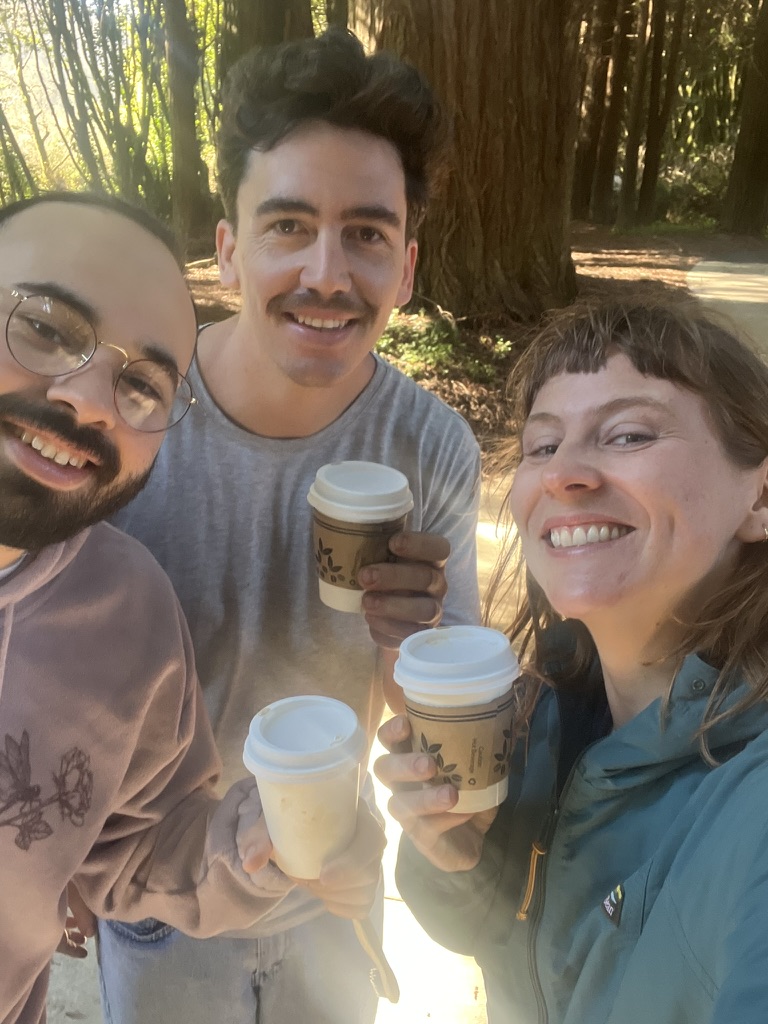
The longer I’ve lived in both places, the more alike they seem. California is an agricultural and tech powerhouse. Denmark has a strong biotech sector and an amazing food culture, from New Nordic cuisine to its history and present innovation in fermentation. Both areas see sustainability as essential to the future of these industries. Furthermore, Davis and Copenhagen both love their coffee shops and bikes! Their strengths also complement each other. Denmark excels at public–private collaboration, long-term thinking and biotechnology. California excels at capital, scale and a willingness to try something unproven. The food and health startups I evaluated with The March Group kept reminding me how much each side can offer the other. It’s relationships and collaboration that maintain this bridge.
Relationship building across the Atlantic
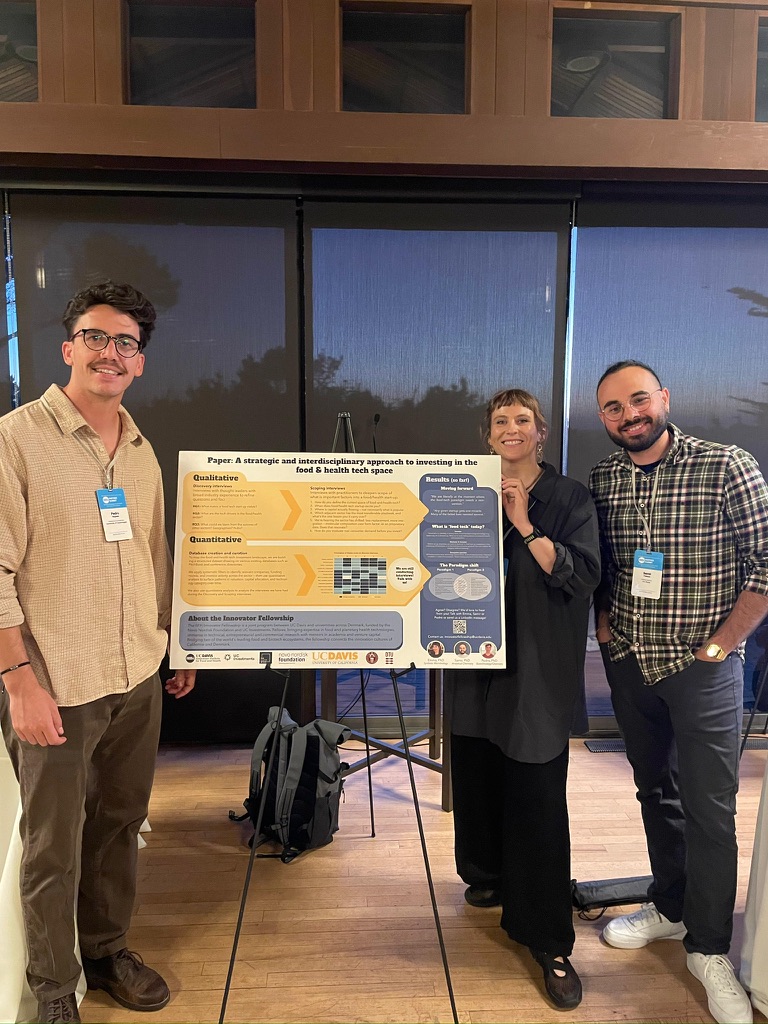
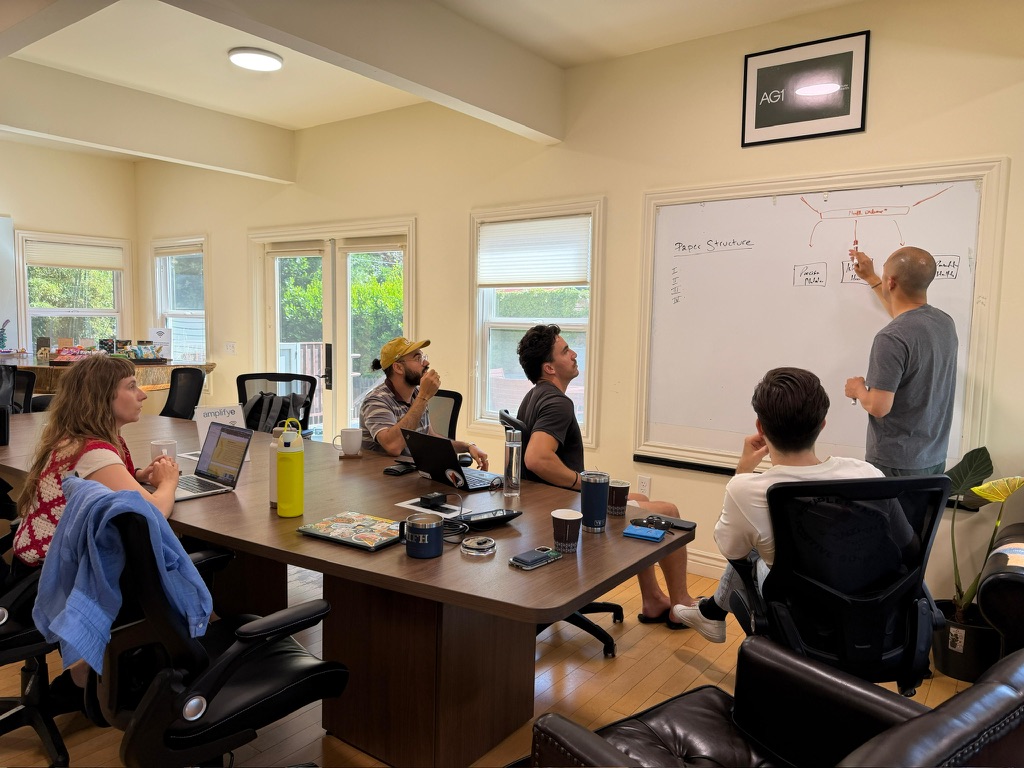
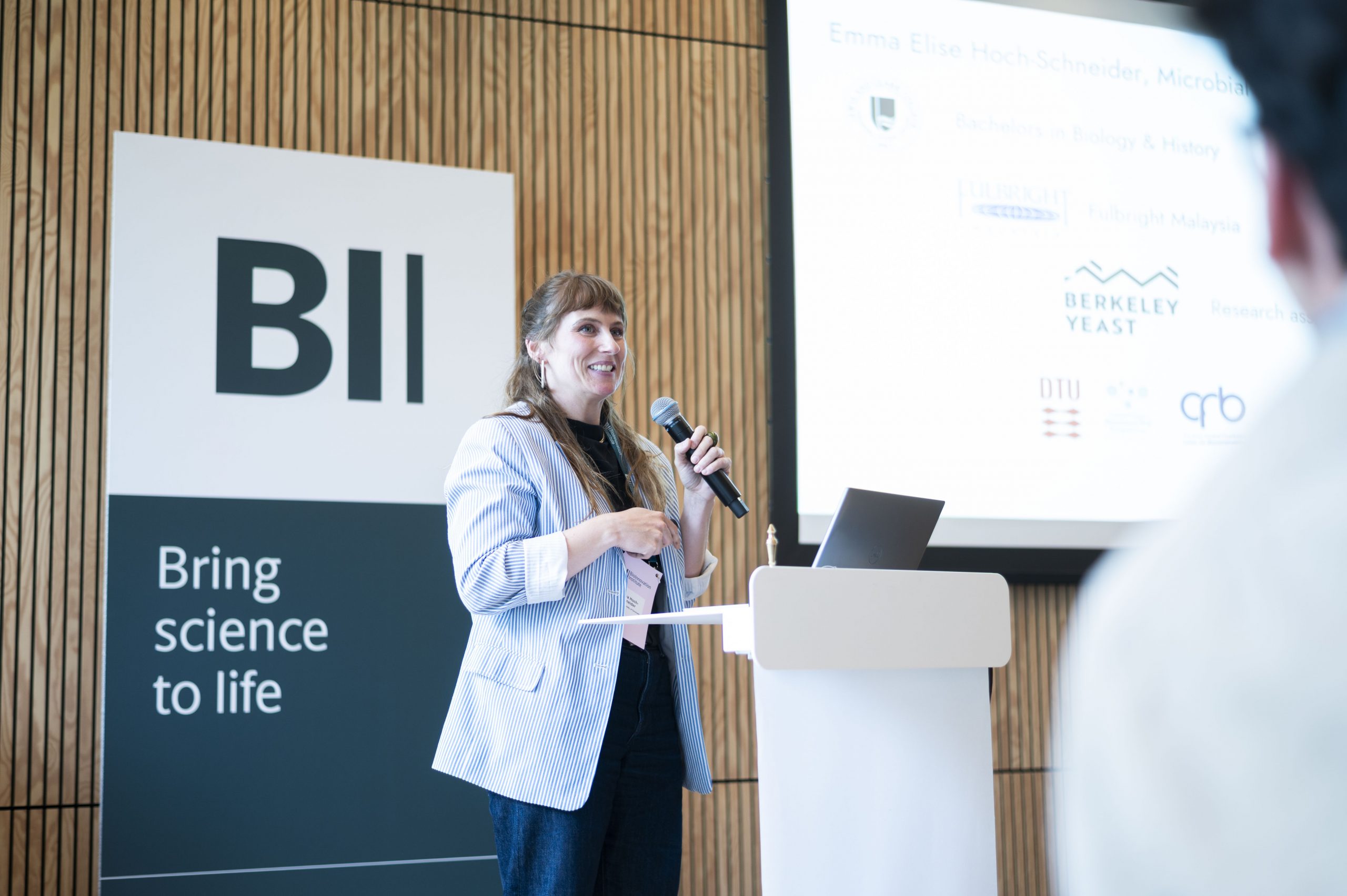
Over six months, my co-fellows Pedro Martinez Noguera and Samir Hobloss and I interviewed investors, founders and thought leaders across food and health. Those conversations gave us context that data alone couldn’t. They pointed to a shift in food tech’s value proposition from sustainability toward health. We traced that shift in the data for a paper we’re preparing and presented it at the IIFH Colloquium in Copenhagen and the Asilomar Partner Summit.
Through REBBLS, the Copenhagen biotech networking group, I came in with some background in biobusiness but little hands-on experience. Diligence work with The March Group changed that and taught me what to look for in an early-stage company. Developing my own project in six months was a challenge, but each dead end taught me something about assessing viability, regulatory landscapes or market fit. I now have the tools to approach a problem with an innovator’s mindset, and a network to help act on a solution.
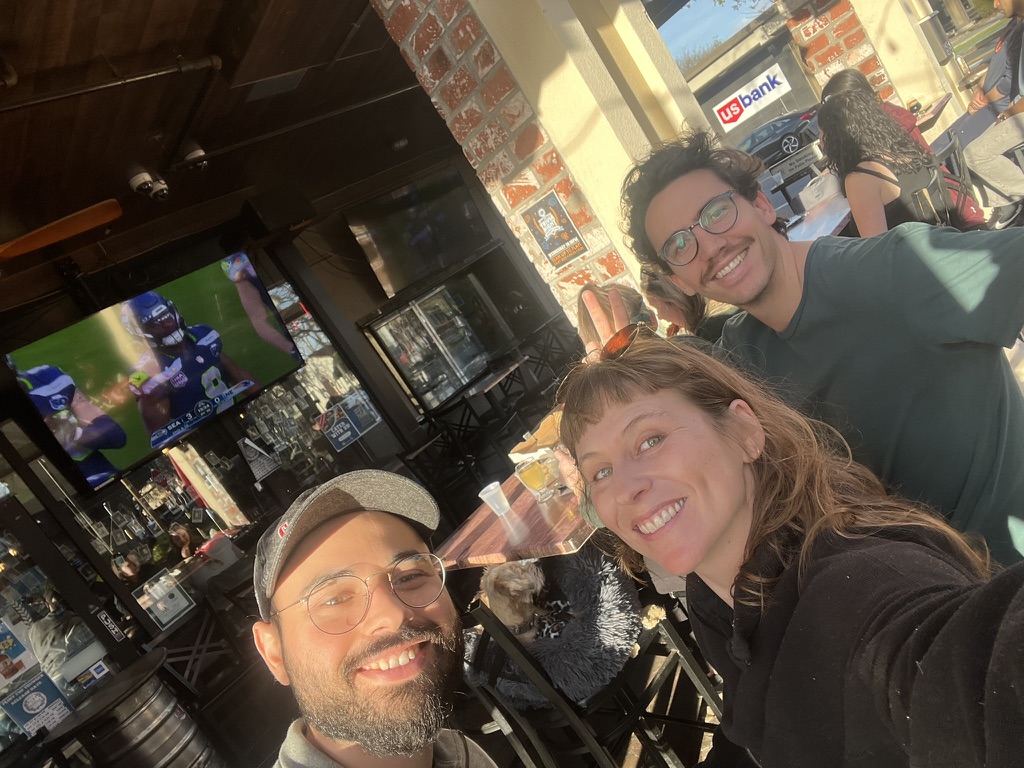
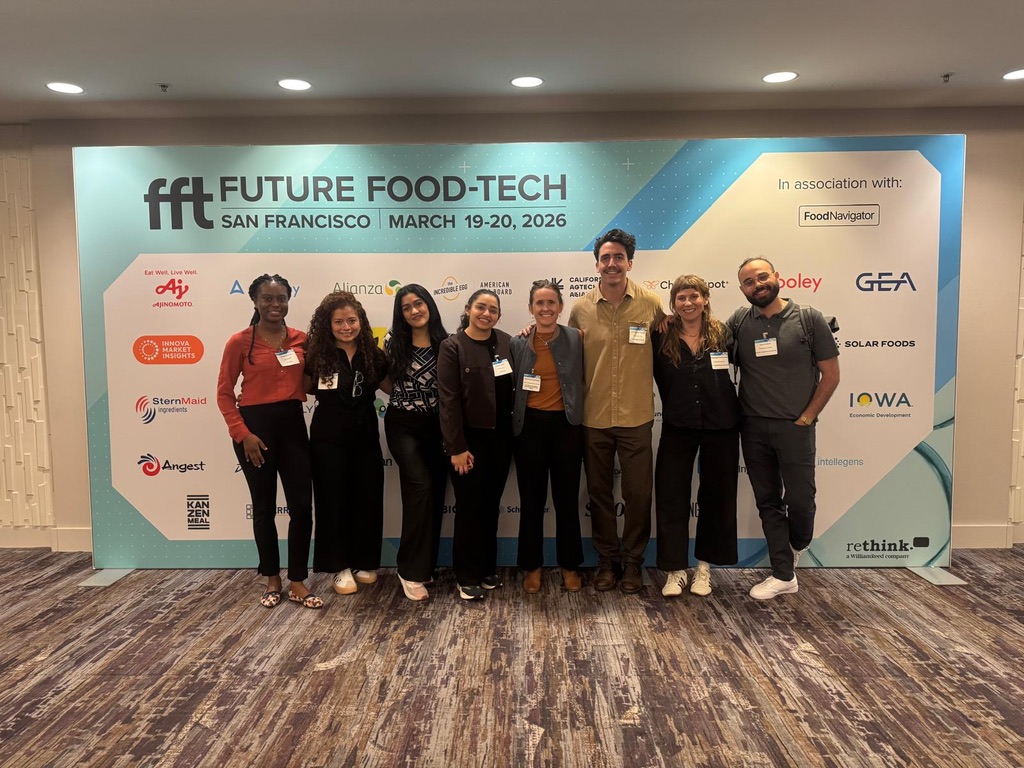
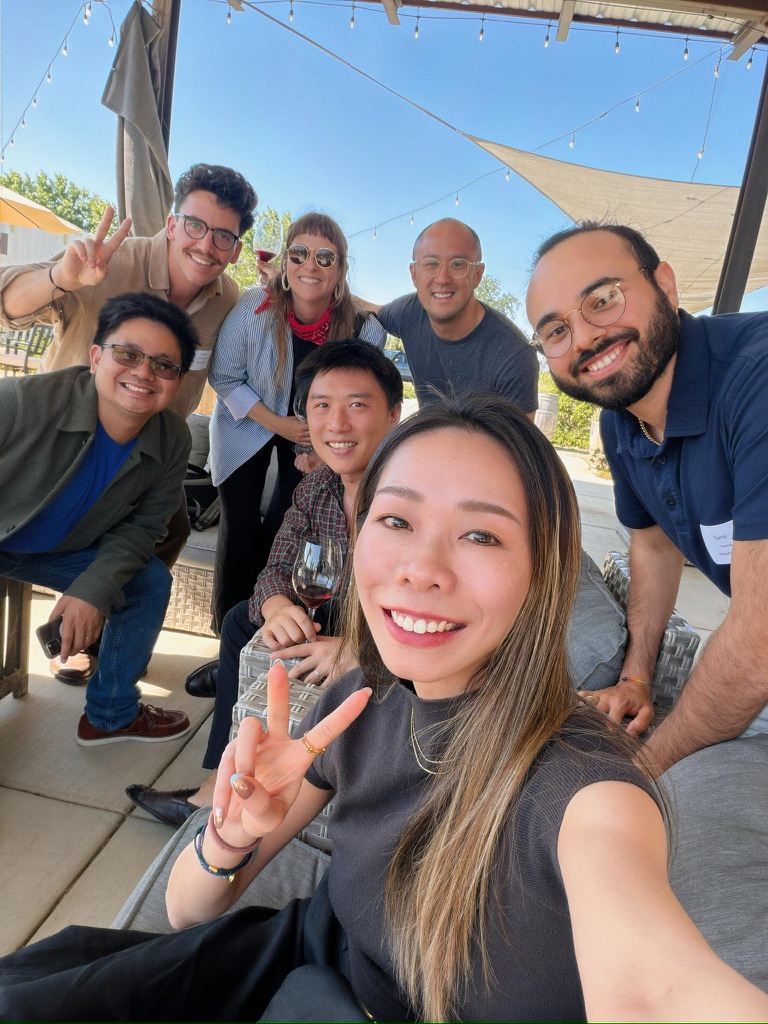
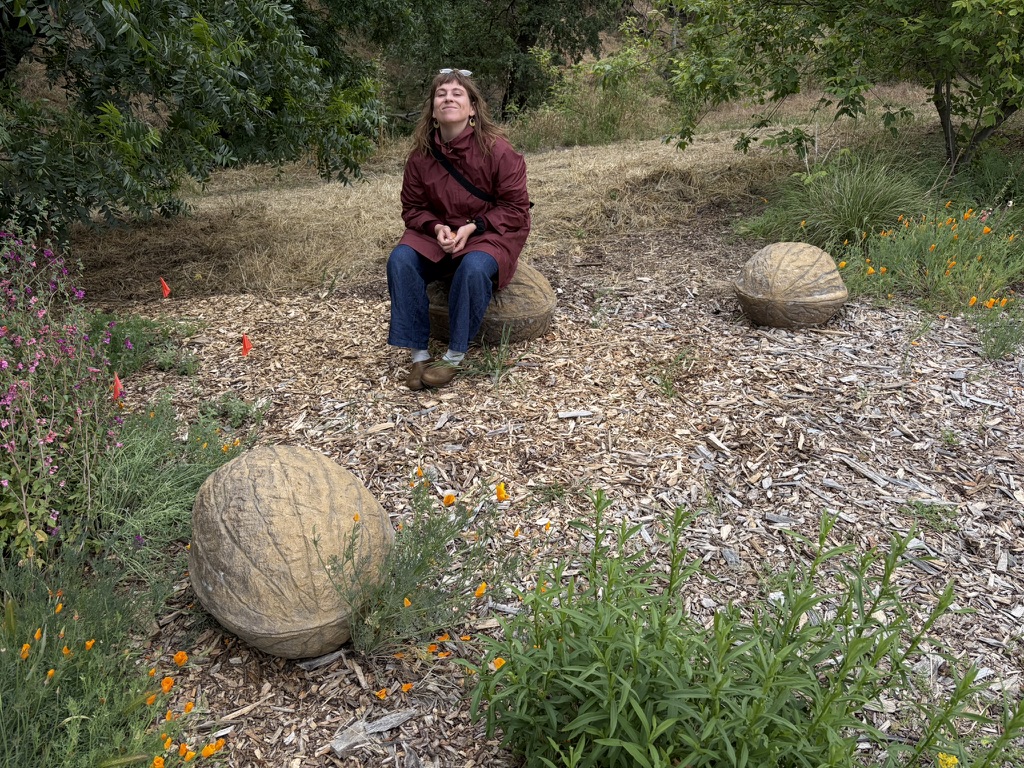
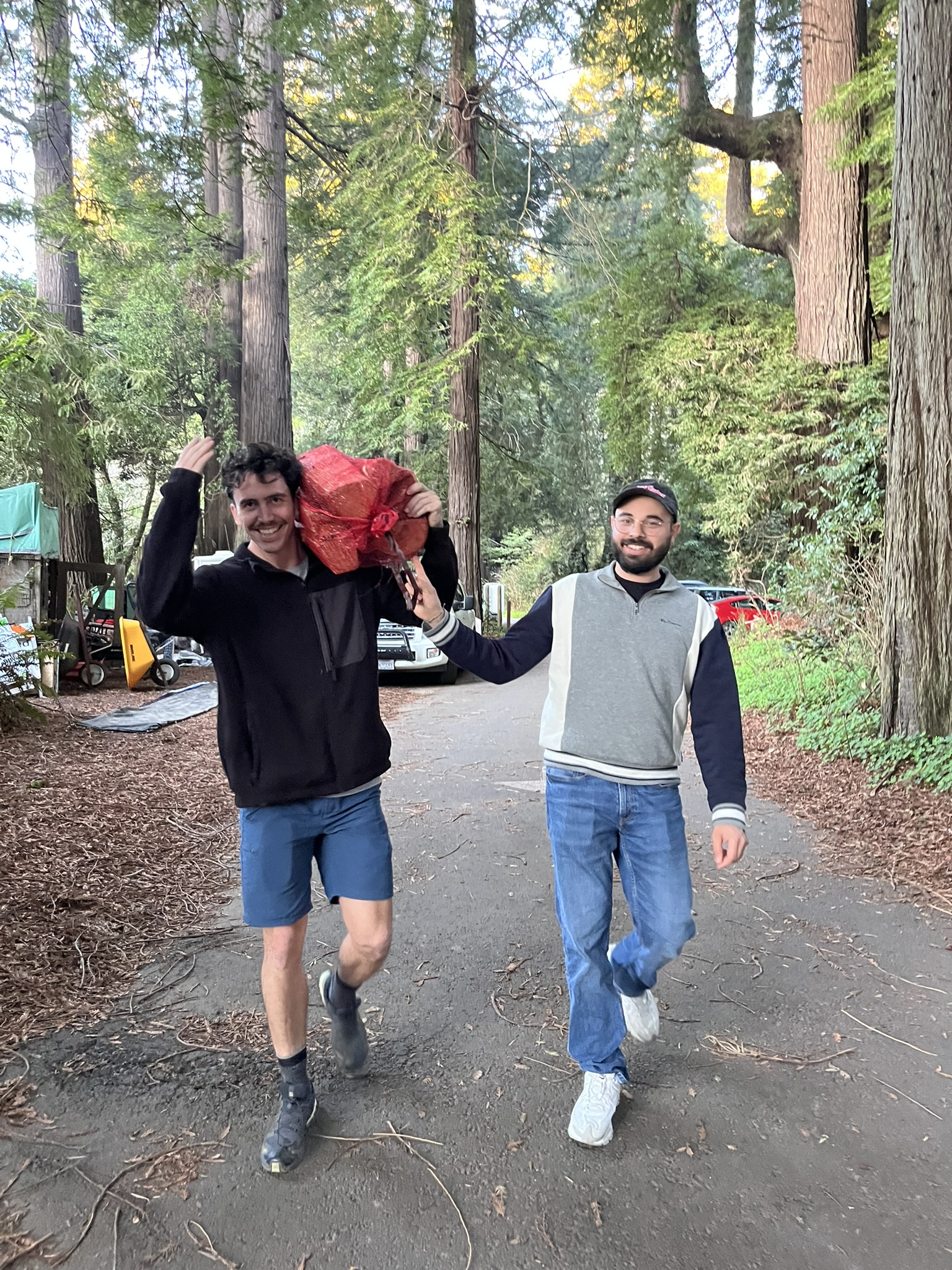
Some of the best relationship building happened off the clock. I was excited to show Pedro and Samir the state where I grew up, and we explored it together, from trips to San Francisco to a successful (albeit raccoon-filled) camping trip on the North Coast. We also met our California counterparts, Lik, Tana and Ian, several times, which grew our little group into a real community. That network, spanning the Food & Health Angels, the UC Davis Food & Health Translator’s Circle, The March Group and the wider IIFH community, is what I value most from the fellowship.
Where this leaves me
I left the fellowship with a much better grasp of the language and intricacies of venture capital and fundraising, and a more realistic view of what it takes to build something that solves a real problem. I’m still intrigued by entrepreneurship, but I found myself increasingly drawn to the systems around it. I’ve always been interested in how science moves through society, not just what happens at the bench. Davis helped me see that the impact I want to have is more likely to come through institutions, policy and the relationships that help identify and solve problems.