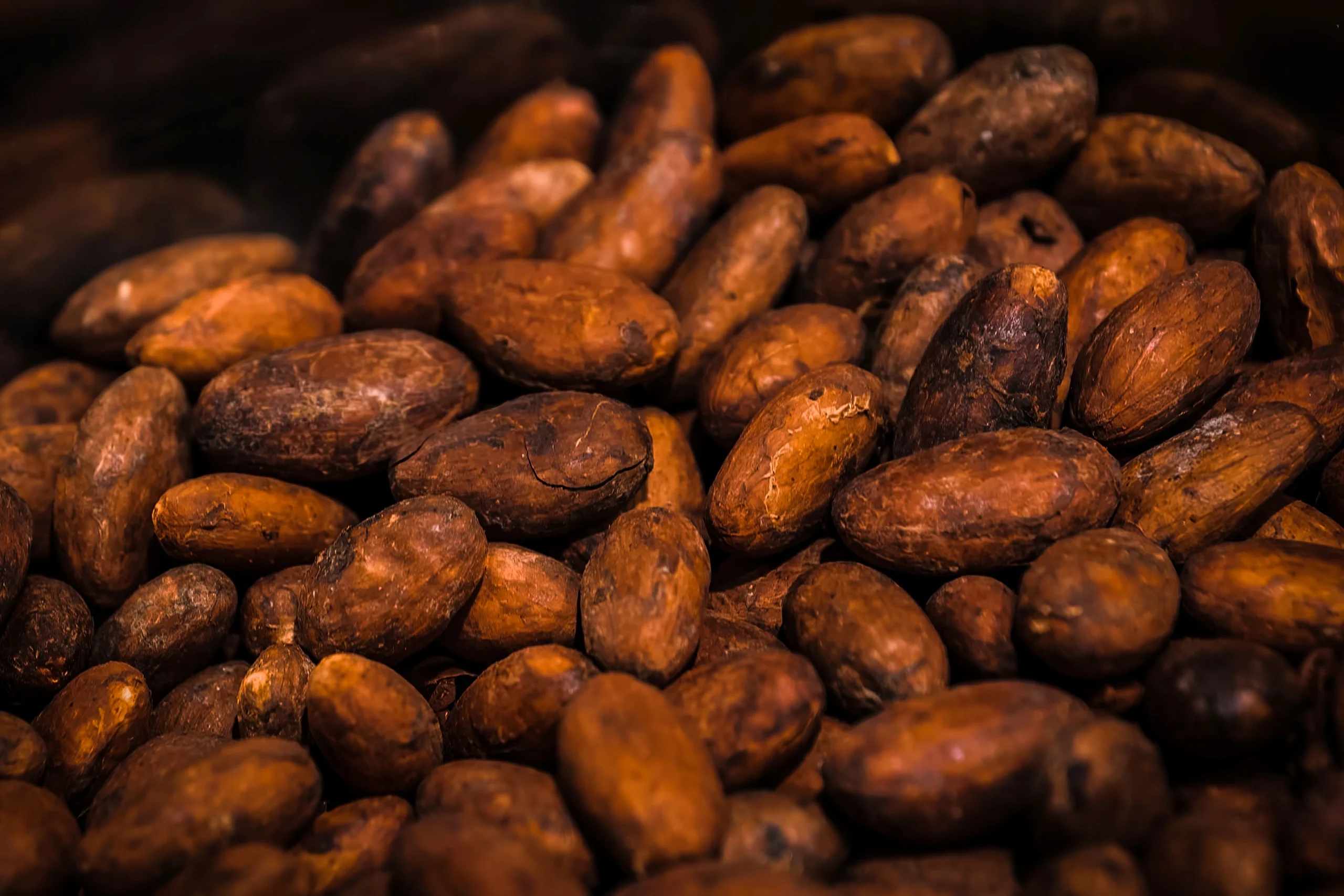
New research published in Food & Function provides important insight into a critical gap in nutrition guidance: following current dietary recommendations alone may not provide enough flavanols—naturally occurring bioactive compounds found in foods like cocoa, tea, apples and berries—to reach intake levels associated with cardiovascular benefits observed in clinical research. An international team of scientists, including UC Davis Professor Francene Steinberg and researchers from Mars, analyzed biomarker data from more than 30,000 participants across two large population studies. They found that while people who consume more fruits and vegetables generally have higher flavanol intake, fewer than one in four individuals who met existing dietary guidelines achieved the flavanol levels associated with cardiovascular benefits in the landmark COSMOS trial.
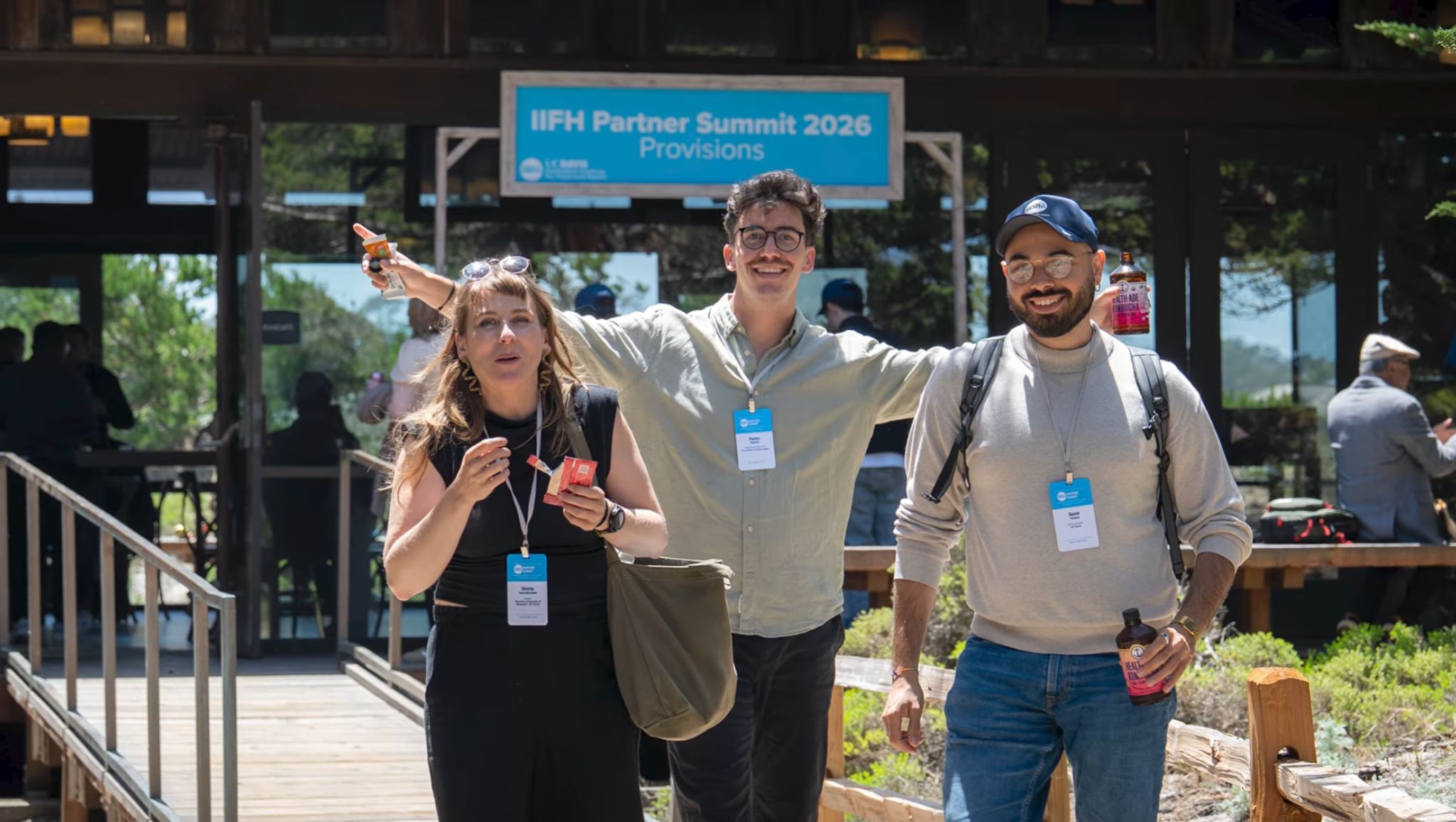
This research exemplifies the type of science the UC Davis Innovation Institute for Food and Health (IIFH) advances through partnerships with industry leaders like Mars—bringing together world-class academic expertise and commercial innovation to generate evidence that can inform future nutrition recommendations and food innovation. Rather than suggesting current dietary guidelines are insufficient, the findings highlight an opportunity to better understand how bioactive compounds may contribute to long-term health and how foods can be designed or selected to help people achieve meaningful health outcomes. As the science evolves, this work could help shape future dietary guidance, product development, and personalized nutrition strategies grounded in rigorous clinical evidence.