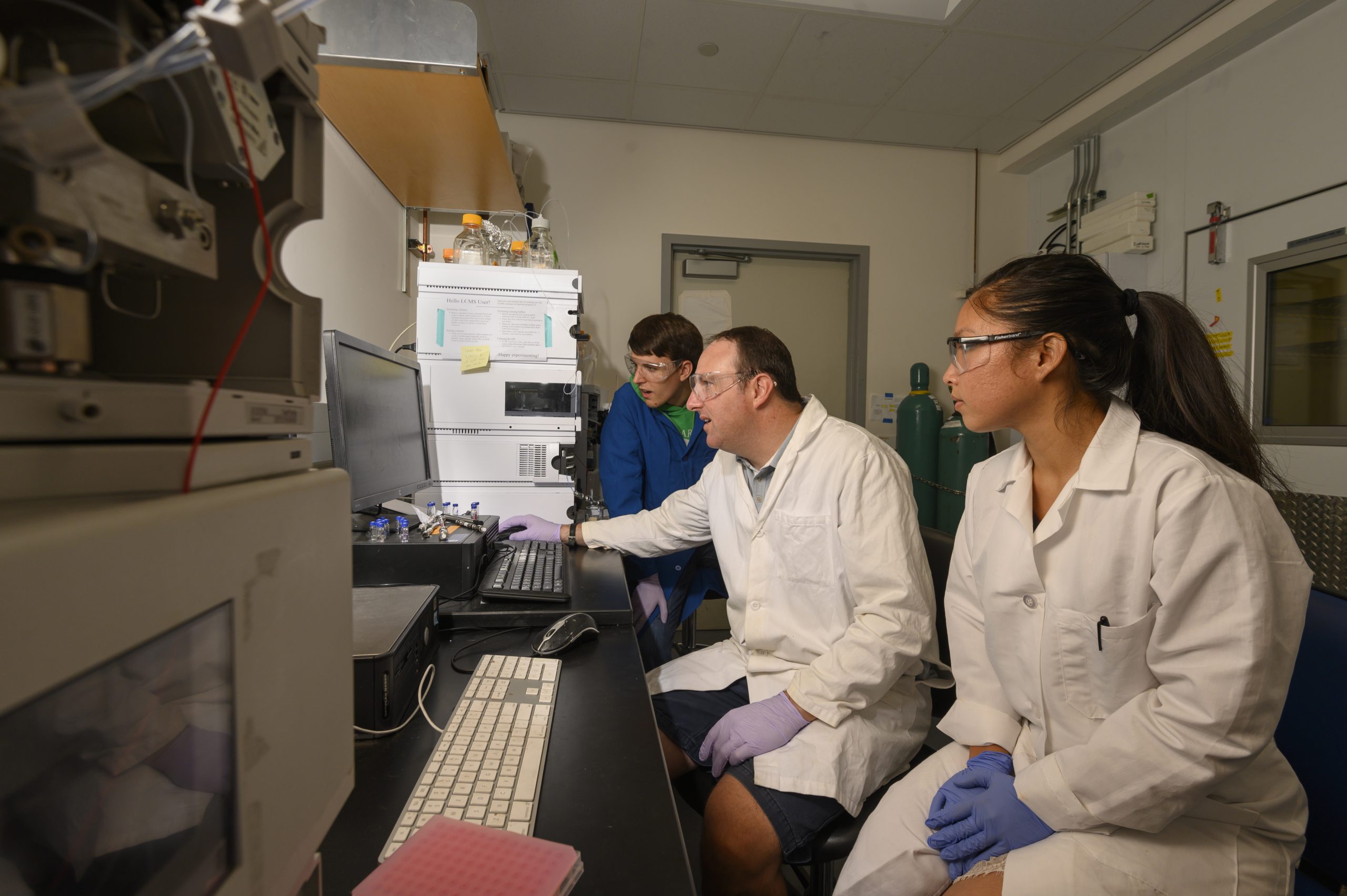

A new study co-authored by UC Davis food scientist Selina C. Wang investigates how olive pomace—the nutrient-rich material left after olive oil production—can be transformed into a potentially valuable food ingredient. Researchers developed a subcritical water extraction process to recover bioactive compounds from California olive pomace and characterized the resulting extract’s chemical composition. The extract contained notable levels of phenolic compounds, including hydroxytyrosol and related antioxidants that have been associated with beneficial biological activity.
The research then evaluated the extract’s effects in a preclinical model of metabolic dysfunction. The findings suggest that compounds recovered from olive pomace may help support metabolic health markers and reduce indicators associated with oxidative stress and inflammation. While additional research is needed to confirm effects in humans, the work highlights an important opportunity to create greater value from agricultural byproducts while advancing the development of evidence-based food and health innovations. For the UC Davis Innovation Institute for Food and Health, the study reflects the type of translational research that connects sustainable food systems, ingredient innovation, and potential health impact. It also showcases Selina Wang’s leadership in food chemistry, agricultural valorization, and the development of science-driven solutions that can help move discoveries from the lab toward commercial application.