By Ian Nielsen


Scientists and engineers do great work to bring new technologies and products to society, often as potential improvements to current processes and production cycles. They usually work hard on making logical cases for why a new product or technology would be a great thing for society and the environment through tools like life cycle analyses (LCAs). They can even perform techno economic analyses (TEAs) to determine the required selling price to break even. But what seems to be a consistently overlooked aspect in the creation of new products and technologies is the market’s appetite for that technology.
In comes me: an electrical-turned-biological systems engineer who wants to reduce the impact of food waste through valorization of waste streams and byproducts. I’ve spent years working on research projects that had high hopes for changing the way certain industries carried out their processes. Literature reviews, physical work, iteration, LCAs, TEAs, and product development to take research to innovation – all guided by what I thought was desired, but with no real change in industry. The disappointment was, well, disappointing.
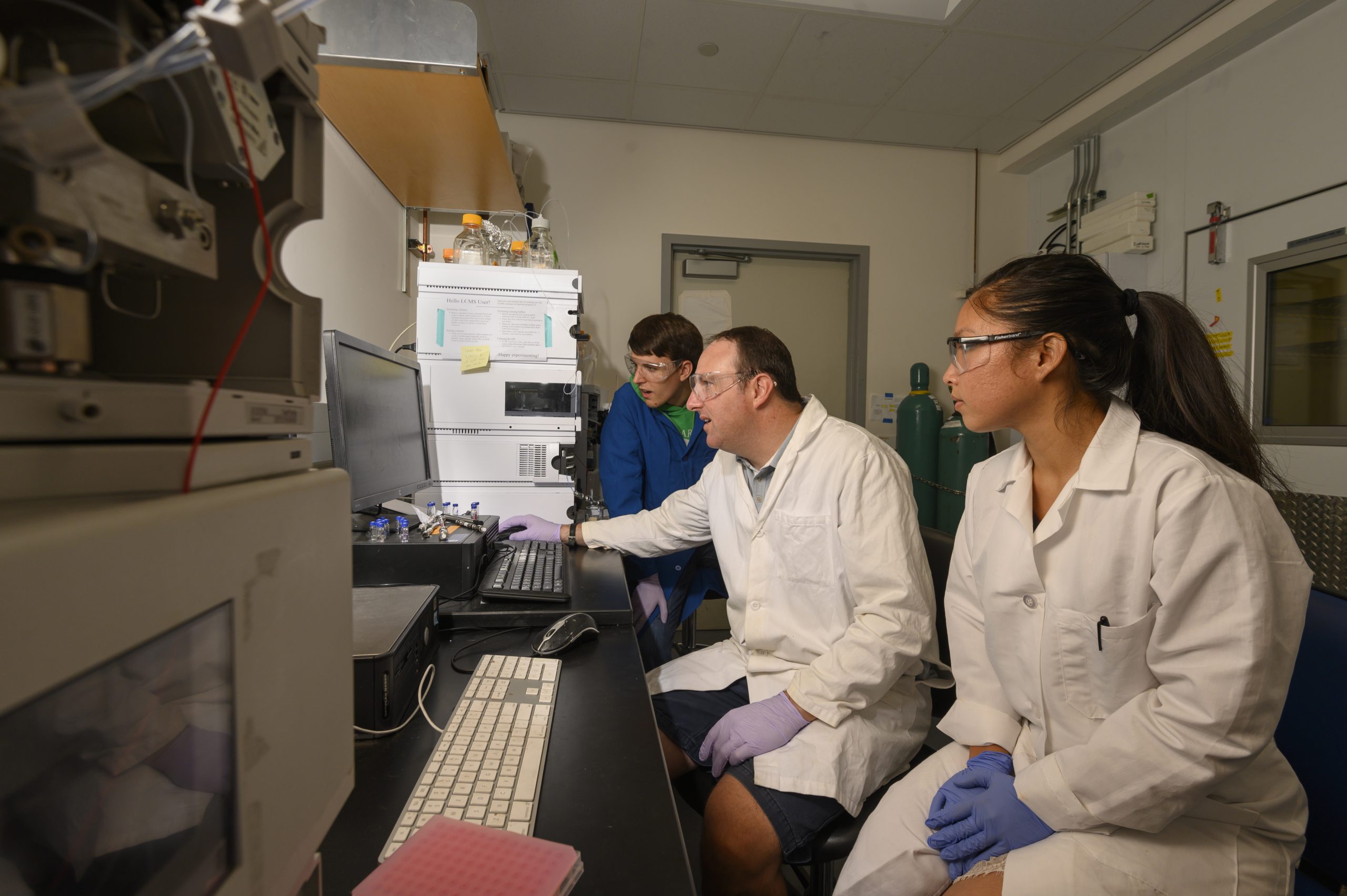
Then I became a fellow in the IIFH California Denmark Innovator Fellowship. I was working on finding applications for several byproducts from the food and beverage industry at the Technical University of Denmark in the National Food Institute. One of these research aims included working with spent hops and spent brewer’s yeast from the beer brewing process, looking for value in the residual hop acids with potential applications in brewing, nutraceutical, and cosmetics industries. Another research aim focused on the processing and use of vegetable byproducts from grocery distributors like cabbage cores and leek leaves to create valuable food products.
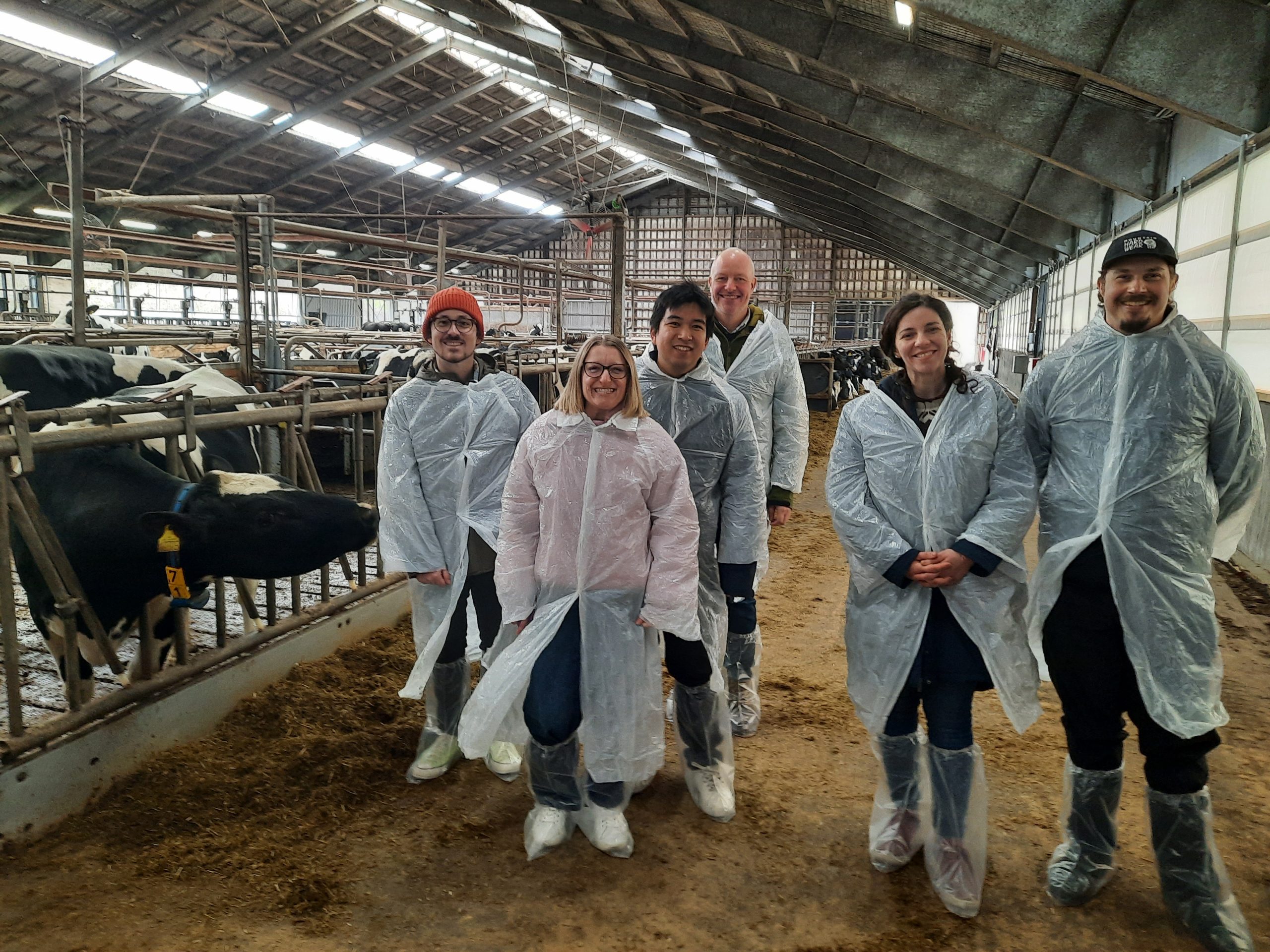
I did my normal background research, literature review, process learning – but this time, I worked with a different mindset. Working with mentorship from DTU from both the research and entrepreneurship realms, I was able to apply a new perspective on my efforts with the basic question: who is the customer, and what do they actually want? Obviously there was more to this question than just that, but the simplicity of the idea seems to be the foundation of knowing what can be converted from research into not just an invention, but an innovation. Now, this doesn’t mean that the projects that I worked on specifically were immediately able to be commercialized because of this revelation. In fact, quite the opposite was the case for my research on beer byproducts. After visiting and interviewing breweries in the Copenhagen area, I learned that most breweries have no interest in using extracted acids produced from fresh hop ingredients. So even if you can extract the hop acids from spent hops and brewer’s yeast, the likelihood of them being bought and used by breweries is next to zero. While this was initially a disappointing realization, I’ve learned that it should be seen as a positive outcome that a research project that would have taken time, effort, and money was effectively avoided, allowing for a pivot in research to other more promising potential products or technologies. This is the type of realization has significant value, in that it could save a startup company and everybody involved from a difficult and strenuous start or financially disastrous end – something that investors understandably dread.
Returning to California, I feel like I’m at a pivotal point in my career, much like that a startup faces when they realize that their primary product or process may not be the best option to commercialize. Research is great, engineering is great, but if the two cannot work together alongside entrepreneurship and business, the end product may not be possible. Given my background in engineering and research, and now entrepreneurship and innovation, I feel a particular excitement about being able to help communicate between the three realms and thus help accelerate the development and hopefully adoption of new products and technologies, and to potentially decelerate or even stop startups that don’t hold promise. My goal is that this excitement materializes into a position at a VC firm to help enforce due diligence on potential startups, or at a university or research institution’s entrepreneurship center or tech transfer office helping mentor potential startups or spinouts, or teaching students to be multi-faceted and considerate when developing new products and technologies. All with the overall mission, aligned with DTU, to create value for the benefit of society, coupled with what I believe should be a common obligation among engineers, researchers, and entrepreneurs: to try to bring all promising technologies and products to fruition.
I’d like to thank the fine folks at the Technical University of Denmark for hosting me for the time of the fellowship and helping to organize research, events, site visits, and more. My gratitude to Tim Hobley, Mikkel Hansen, Peter Rhudal Jensen, and Ivelina Bronke. A big thanks to the folks at IIFH at UC Davis as well as Novo Nordisk and UC Investments for their respective organization and funding of the program.