By Lik Xian Lim

…Of course, getting to those answers is not always simple. Sensory scientists use human perception, consumer research, experimental design, and statistics to understand why people respond to products the way they do, and how those products can be improved. At its simplest, sensory science tries to answer two questions: Does it taste good? And do people like it? Of course, getting to those answers is not always simple.
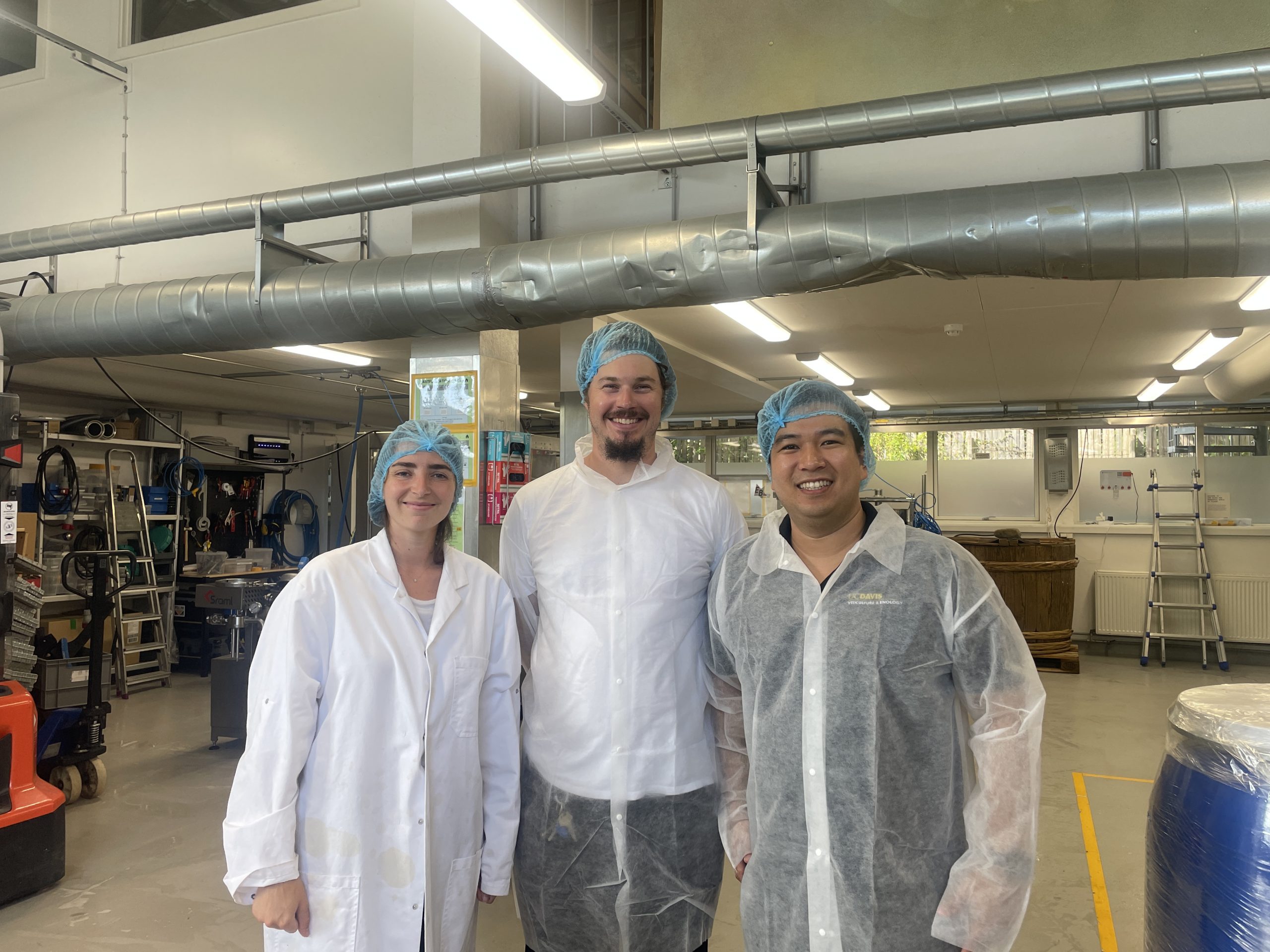
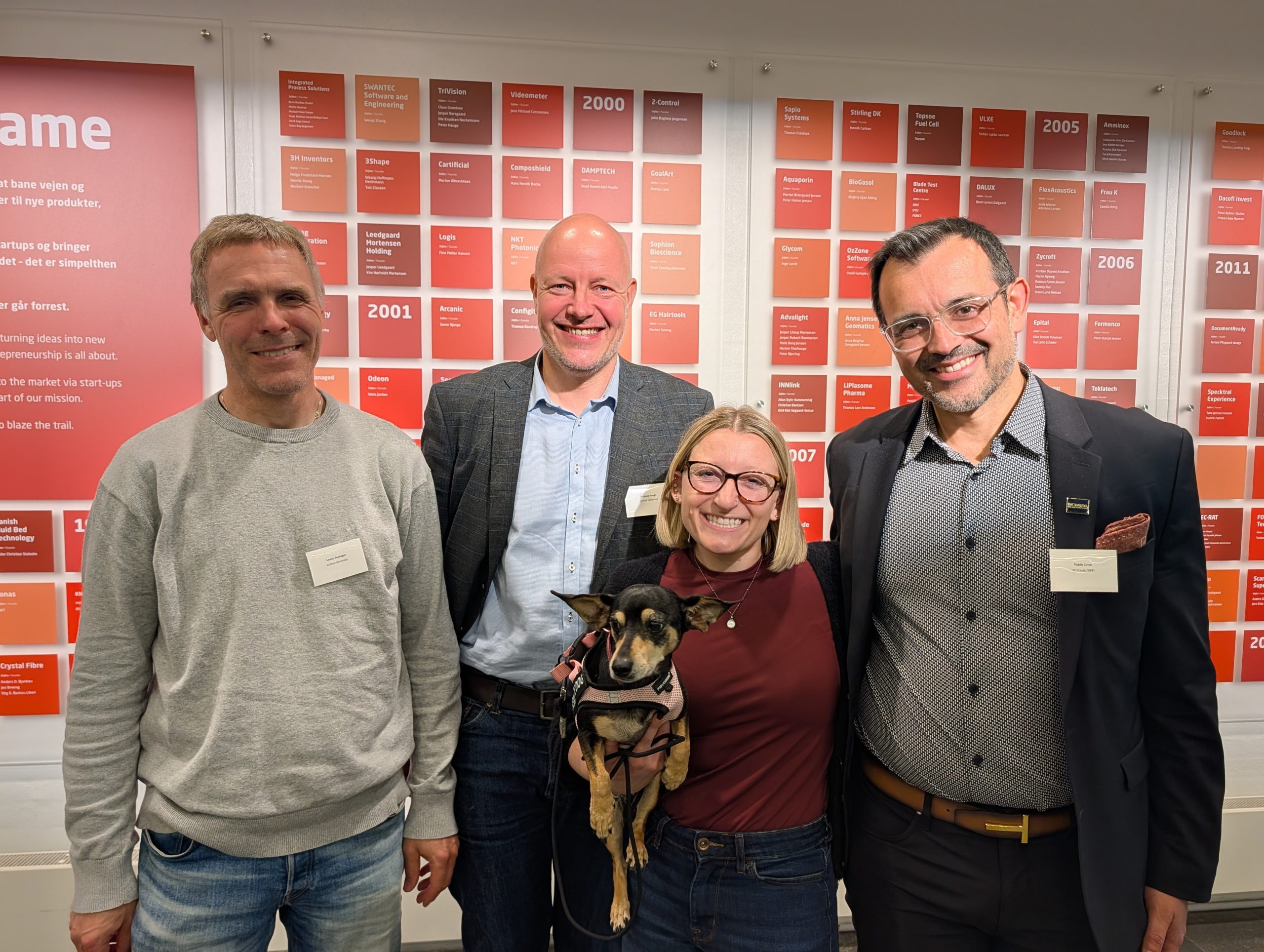
Prior to joining the California-Denmark Innovator Fellowship, I have been mainly in academia, understanding sensory in the context of wine and coffee. My research focused on using rigorous sensory and consumer methods to understand products, generate knowledge, and answer scientific questions. During six months in Denmark, I had the opportunity to experience sensory science from another perspective: first as an academic researcher at the University of Copenhagen (new environment), and then within a start-up at Bio Innovation Institute.
Those two experiences changed how I think about my field, and potentially where I want my career to go.
From Burgers to Consumer Behavior
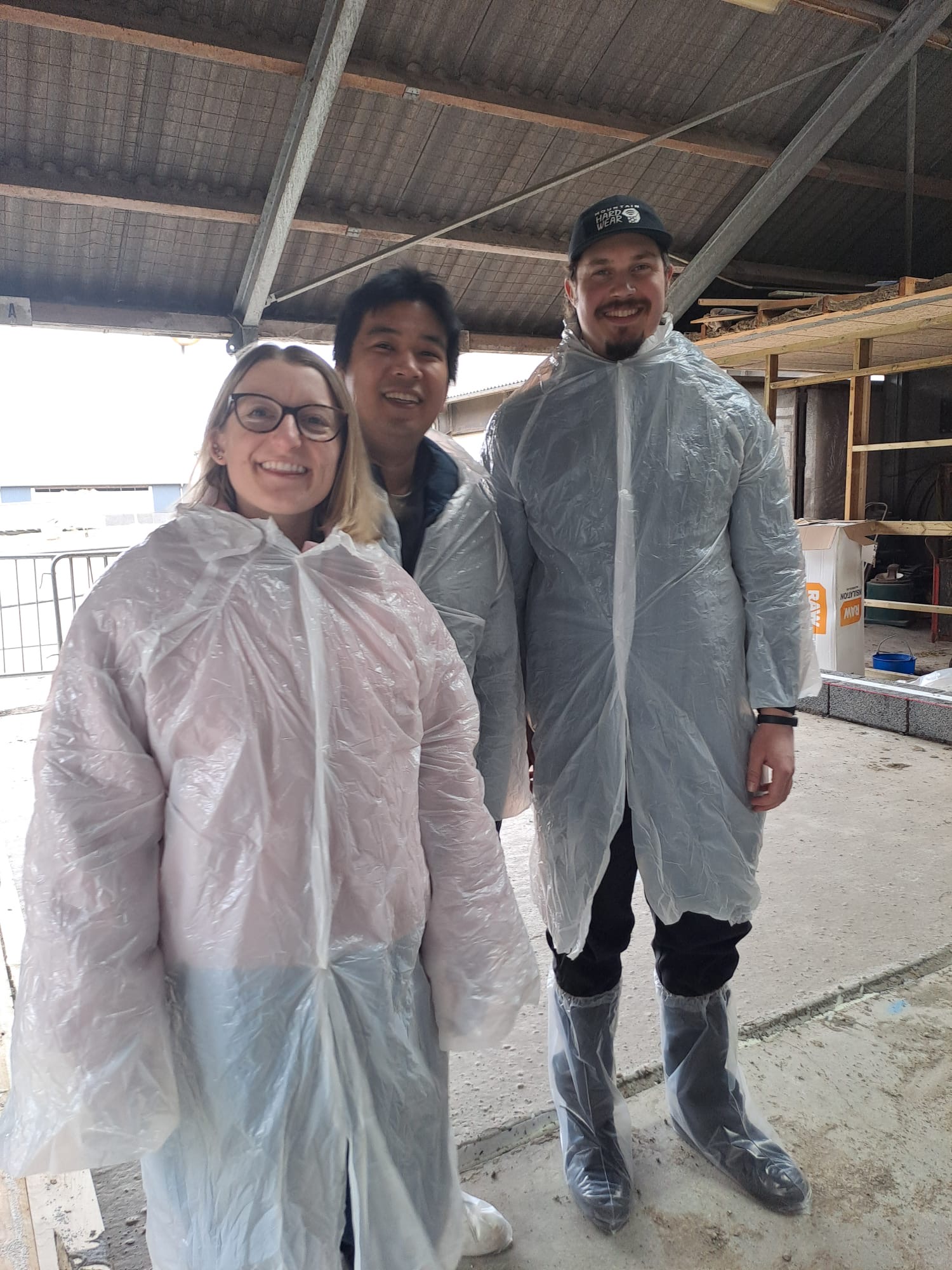
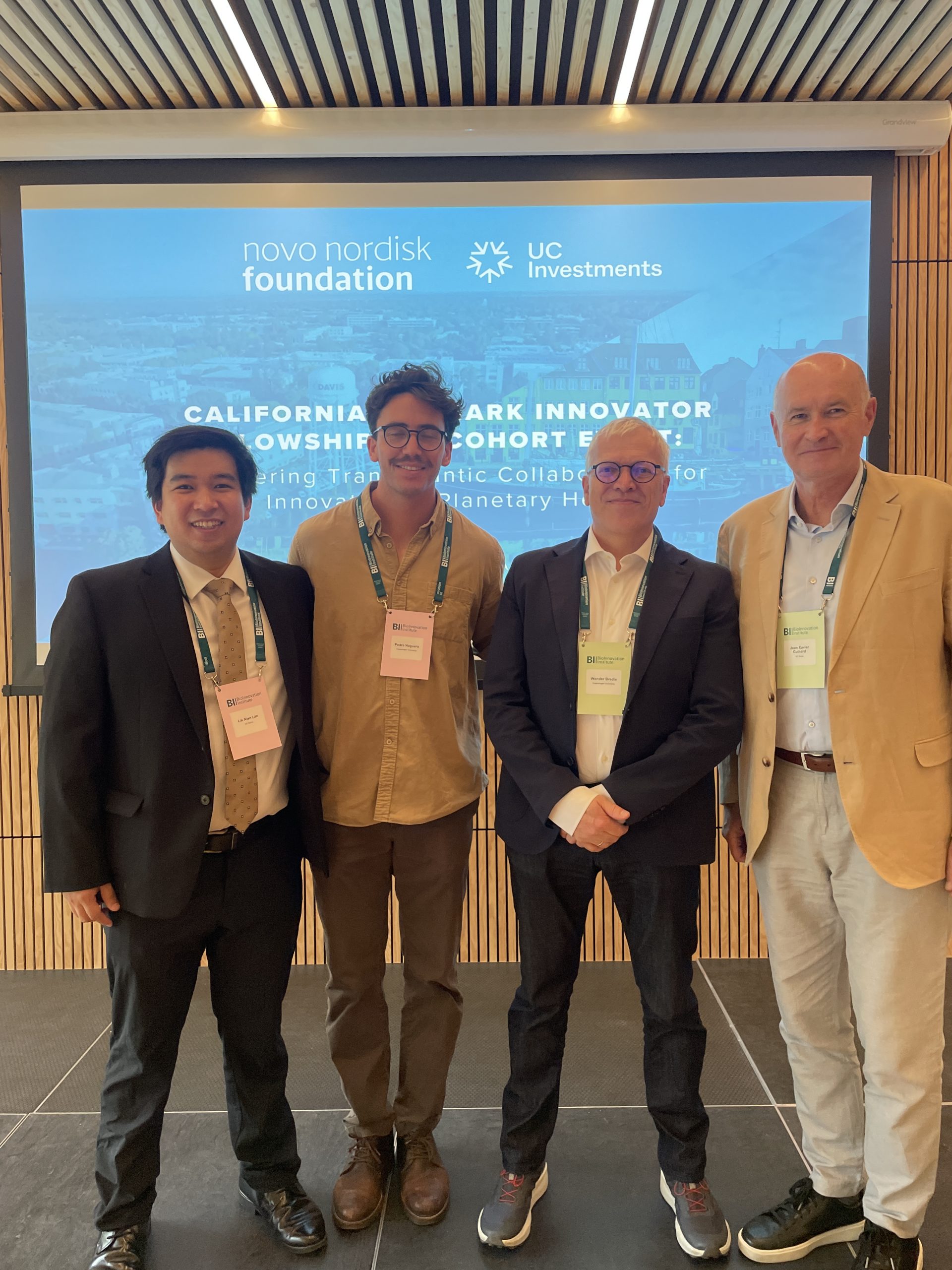
In the first three months, I joined the Department of Food Science at the University of Copenhagen, working with Prof. Wender Bredie and collaborating with my research group at UC Davis. Our model system was something very familiar: the burger.
We developed meat-plant blended burgers and tested how labelling influenced consumer perception. Could the same product be perceived differently as a “burger” versus a “plant-based burger”. Could adding plant protein actually improve certain sensory qualities rather than simply serve as a meat replacement?
This was sensory science in its traditional academic form: hypothesis-driven, carefully controlled, and designed to understand the relationship between a product and how people perceive it. The project also pushed me to think differently about alternative proteins. Instead of asking, “How can we replace meat?”, perhaps the better question is, “How can we design a better burger?”. Plant ingredients can contribute more than sustainability. When formulated correctly, it may influence texture, juiciness, nutrition, and the overall eating experience. The shift, from replacement to optimization and using that as an innovation platform for messaging, became one of my important research takeaways from Copenhagen.
From Research Questions to Rapid Decisions
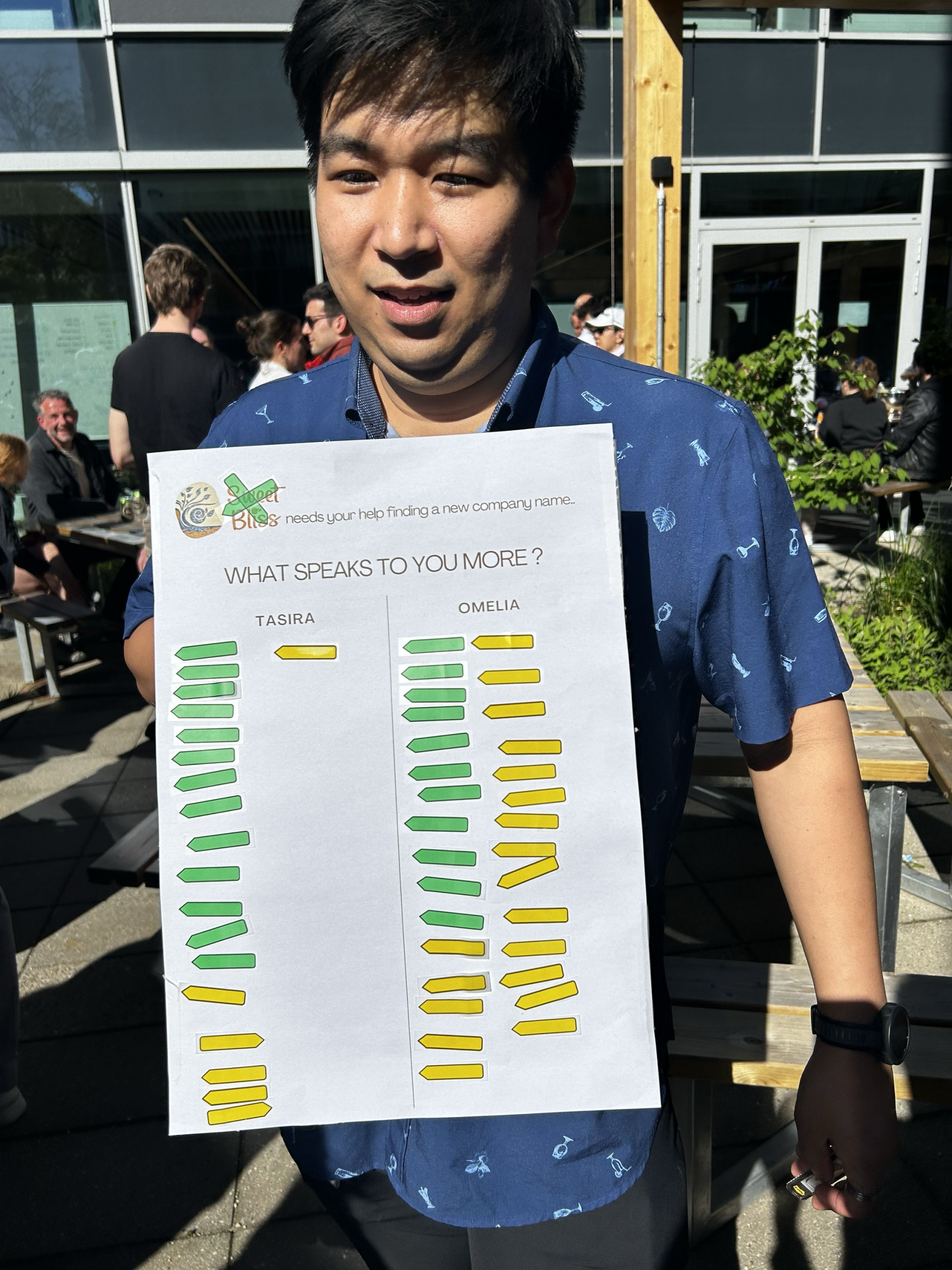
In my second three months of the fellowship, I joined Tasira, formerly SweetBliss, at BioInnovation Institute. Tasira develops sweet proteins, particularly brazzein, for future food and beverage applications. Suddenly, the questions became very different. Instead of asking, “What experiment should we run to understand this phenomenon?”, the questions were: “Does this prototype work? Why doesn’t it taste right or wrong? Should we reformulate it? Is this the right application? What will convince a potential partner?”
I found myself working not only as a sensory scientist, but also as a product developer and, at times, almost as part of business development. I developed prototypes, conducted rapid tastings, helped establish sensory methods within the company, and worked with the team to understand how brazzein behaved across different food matrices.
One of the biggest lessons was that a scientifically interesting ingredient is only the beginning. To create value, it has to outperform traditional products in the category, and that product has to deliver an experience people actually want.
In a start-up, resources are limited and decisions need to happen quickly and decisively. Sensory science therefore becomes less about producing the most comprehensive dataset possible and more about obtaining the right information at the right time to make the next decision. Do we continue? Reformulate? Change the application? Pivot? That experience made me see sensory science less as an endpoint and more as a value-chain enabler.
Taste Still Matters
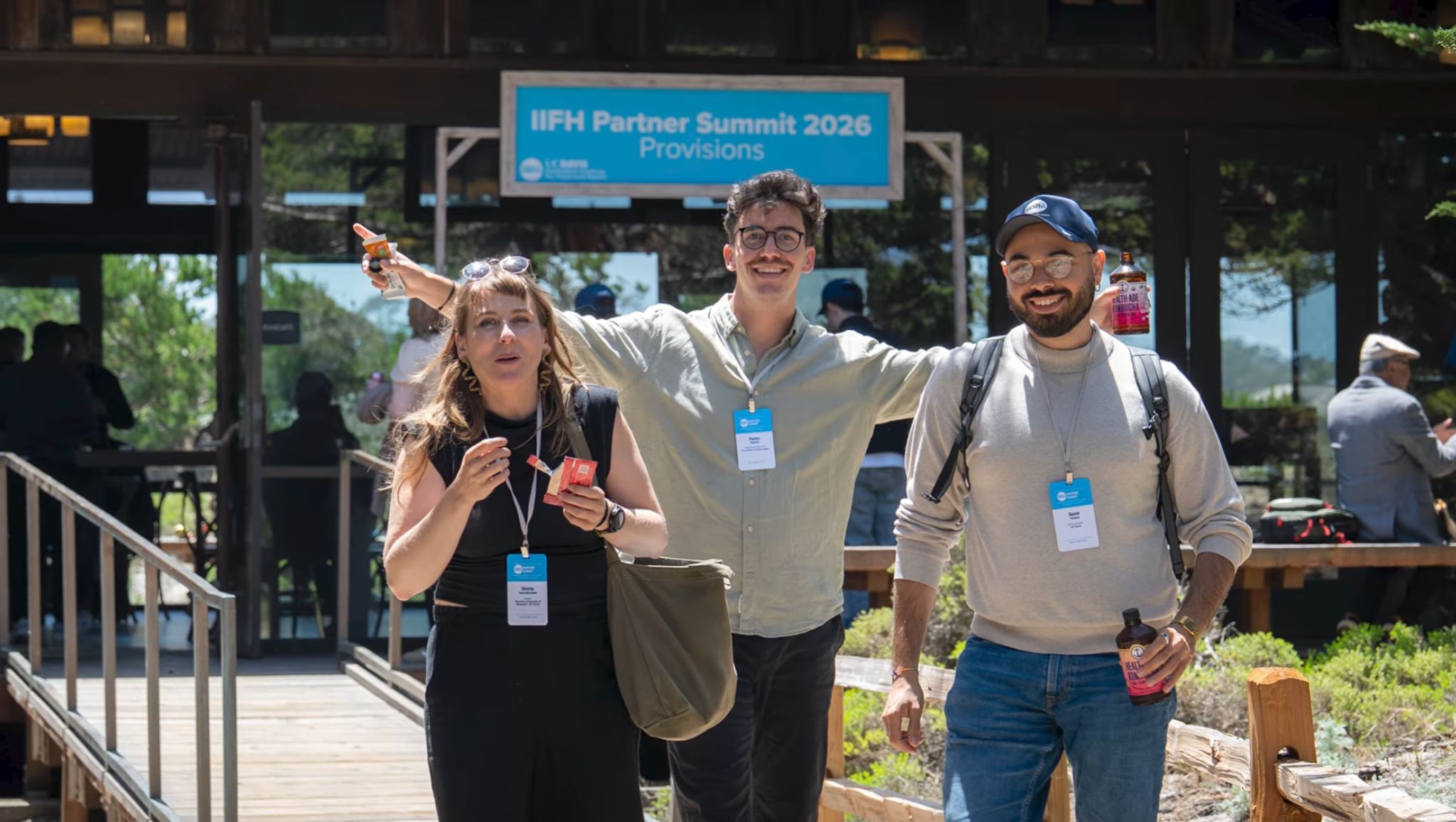
Throughout the fellowship, I also attended conferences spanning coffee, wine, food innovation, and sensory science. One topic appeared almost everywhere: artificial intelligence. AI will undoubtedly accelerate innovation. It can help collect and analyze data, automate processes, and potentially shorten development timelines. In food, there is one thing it cannot decide for us: whether somebody actually enjoys eating something. You can have extraordinary fermentation technology, sophisticated chemistry, optimized processing, and powerful predictive models, but eventually a person puts the product in their mouth. The question becomes very simple again: Does it taste good? Do you like it?
Where Do I Go From Here?
Perhaps the biggest impact of the fellowship was that it made my career path less obvious. Before Denmark, I was fairly certain that I wanted to become a professor and follow a traditional academic career focused on research and teaching. After spending time within a start-up, there is a lot of excitement of how sensory science can further the food field.
I see an enormous opportunity for sensory scientists to help food companies translate new technologies into products that people actually want. At the same time, I still enjoy teaching and developing the next generation of scientists. Perhaps my future sits somewhere between those worlds. Working in food innovation while continuing to teach sensory science, potentially through a course such as “Sensory and Innovation of Food Systems,” where students learn not only how to measure perception, but how to use those insights to create something new.
That may be the most important lesson I am taking away from Denmark. Sensory science is not simply about measuring taste. It is about using our understanding of people to help turn scientific invention into meaningful innovation.