As researchers, we are trained to ask whether the science supports our ideas. During my Ph.D. in Animal Biology here at UC Davis, I have spent years asking questions about dairy cattle health, mastitis prevention, and antimicrobial use.
Then I spent six months in Denmark as a California–Denmark Innovator Fellow and started asking a different question: Even if the science works, will anyone actually use it?
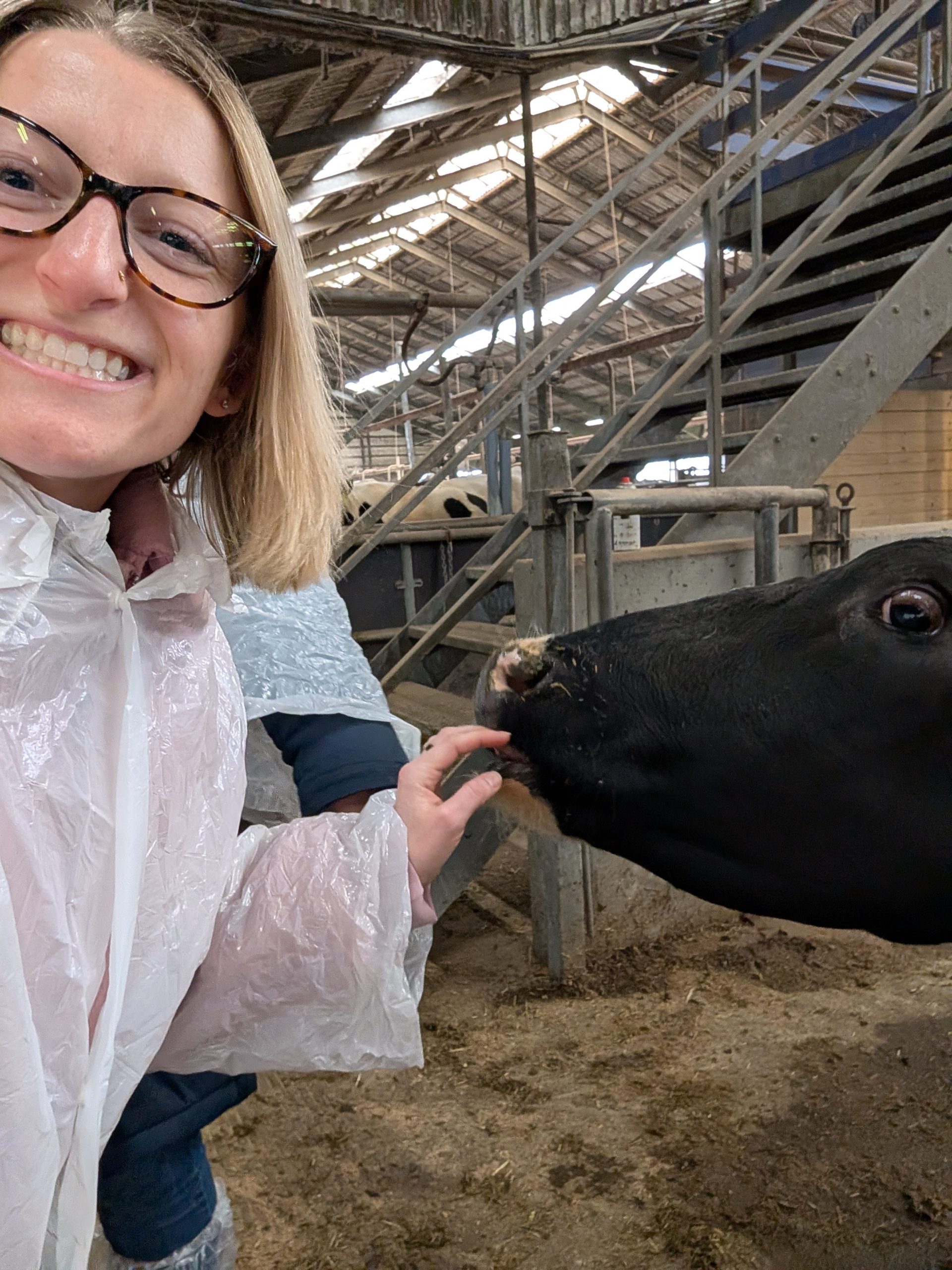
At Aarhus University, I spent three months working with researchers investigating blood and milk biomarkers associated with dairy cow health during the transition period. I also had the opportunity to spend time with a Danish dairy veterinarian and observe firsthand how another dairy system approaches herd health and antimicrobial use.
Those experiences reminded me that research does not exist in isolation. A management strategy or technology may be scientifically sound, but its success also depends on the people, economics, regulations, and production systems surrounding it.
That lesson became even clearer during the second half of my fellowship at the BioInnovation Institute (BII), where I began looking at agricultural innovation from an entirely different perspective.
For my BII project, I conducted an investment deep dive into precision agriculture, exploring technologies ranging from artificial intelligence and predictive analytics to sensors, robotics, remote sensing, and automated livestock monitoring. For the first time, I was evaluating agricultural technologies not only as a scientist, but also through an investment lens.
I began asking questions I rarely encounter in academic research: Who is the customer? What problem does this solve? Is there a clear return on investment? What could prevent adoption? Can it scale?
I quickly realized that a technology can be scientifically impressive and still struggle if it is too expensive, difficult to integrate, or does not provide enough value to change existing farm practices.
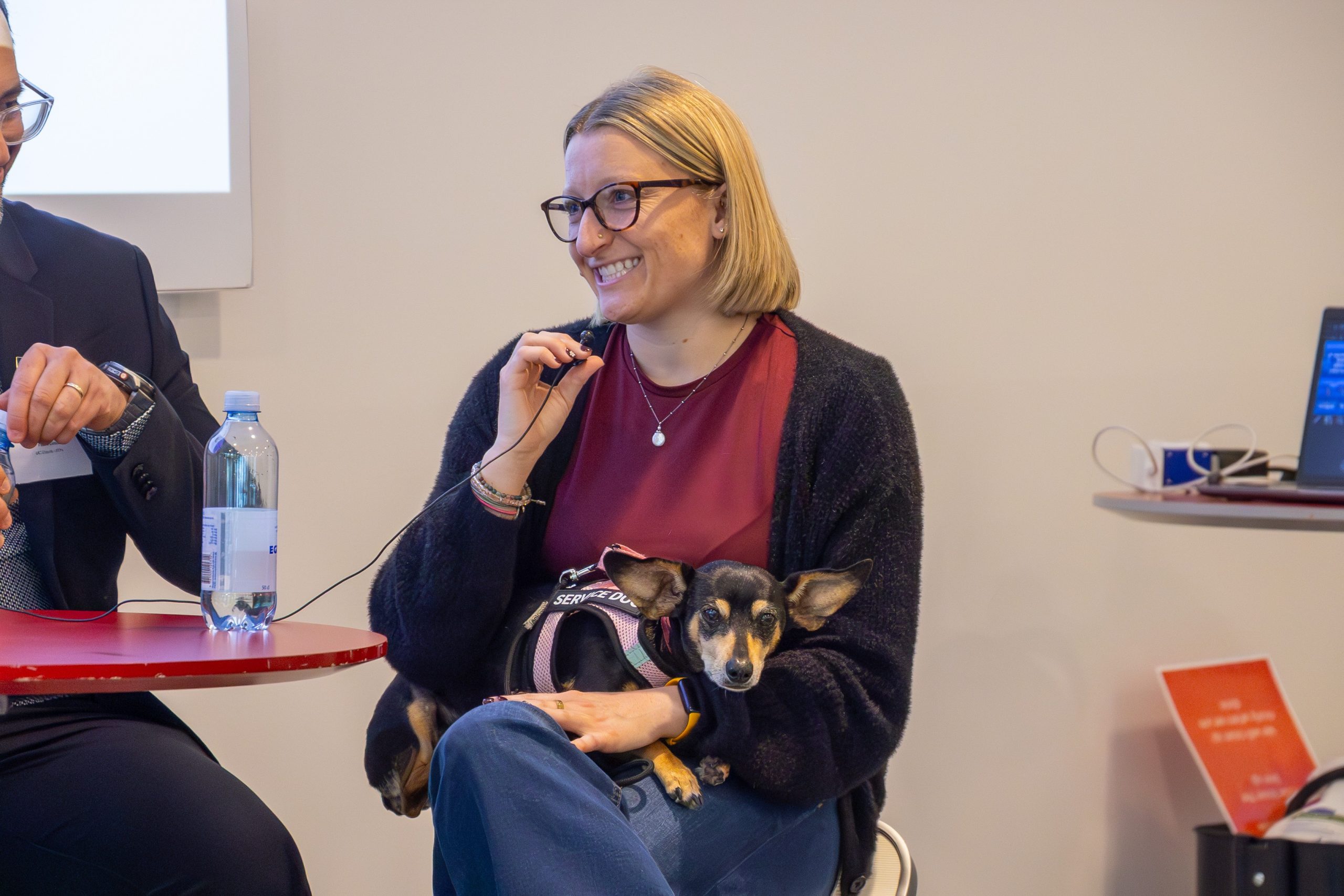
Some of my most valuable insights came through conversations rather than research papers. While attending the EAAP conference in Sardinia, I connected with precision agriculture specialists who helped me better understand the challenges surrounding technology adoption and implementation. Those conversations reinforced that adoption is rarely determined by technology alone; implementation, cost, infrastructure, and the realities of farm management matter just as much.
The experience also made me reconsider my own doctoral research. My Ph.D. focuses on selective dry cow therapy (SDCT), an approach that aims to reduce unnecessary antimicrobial use by treating cows selectively rather than routinely administering antibiotics at dry-off. My research examines both potential tools for making those decisions and the barriers influencing SDCT adoption on U.S. dairy farms.
Before the fellowship, I often approached these questions primarily as a scientist: Can we improve the decision?
Now I also ask: Will producers trust the tool? Do they have access to the necessary information? Does it fit into their existing management system? And does it provide enough value to change what they are already doing?
That shift in perspective may be my biggest takeaway from Denmark.
I entered the fellowship thinking primarily about how to produce strong science. I returned thinking much more about how strong science becomes useful. I still believe rigorous research must come first. But innovation requires another step: understanding the people who ultimately need to use it. Good science can tell us what works; creating impact requires understanding what will work in the real world.