By Pedro Martinez Noguera

How does a scientific discovery become something that creates real-world value? My experience during the California-Denmark Innovator Fellowship showed me that the journey requires more than strong evidence or impressive technology. Innovation also depends on understanding markets, communicating clearly, building trusted relationships, and making decisions despite uncertainty.
Coming from academia, I was familiar with an environment that values methodological transparency, precision, and the acknowledgment of limitations. Entrepreneurship introduced a different set of priorities, including speed, execution, market potential, and persuasive communication.
Learning how investors assess companies made this contrast particularly clear. A strong pitch must explain why a problem matters, who experiences it, why existing solutions are inadequate, and how the company could build a scalable and defensible business. Scientific novelty can strengthen a venture, but it does not automatically make it commercially viable.
The fellowship also changed how I understood the translation of research into practice. Commercialization is not a linear path from discovery to product. It involves customer discovery, market research, product development, financing, partnerships, regulation, and repeated adaptation. Scientists seek to reduce uncertainty before reaching conclusions, whereas entrepreneurs often have to act with incomplete information. Successful translation therefore requires both scientific caution and entrepreneurial decisiveness.
One lesson emerged repeatedly: start with the problem, not the solution. An advanced technology has limited value if it does not address a problem that is sufficiently important, frequent, or costly.
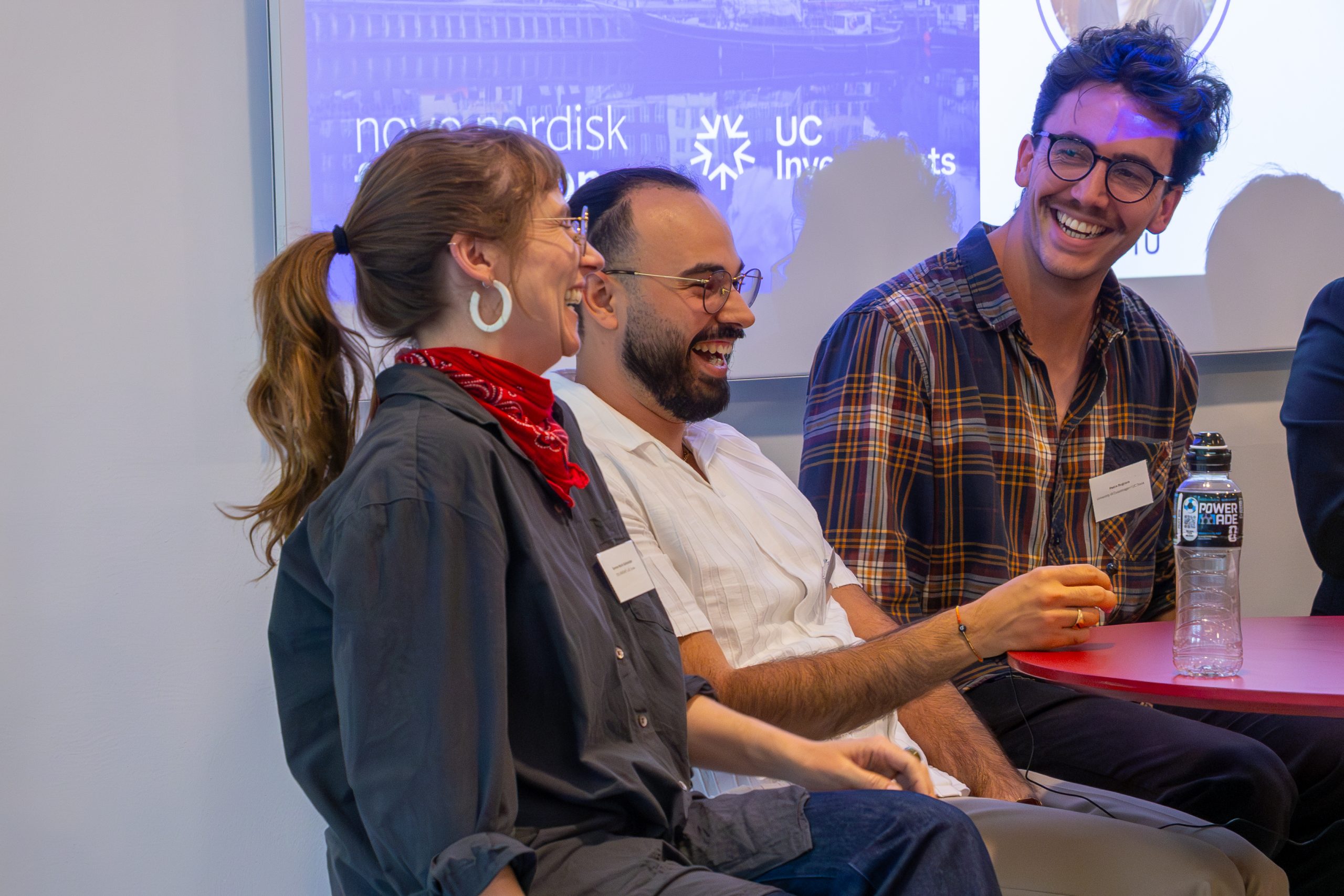
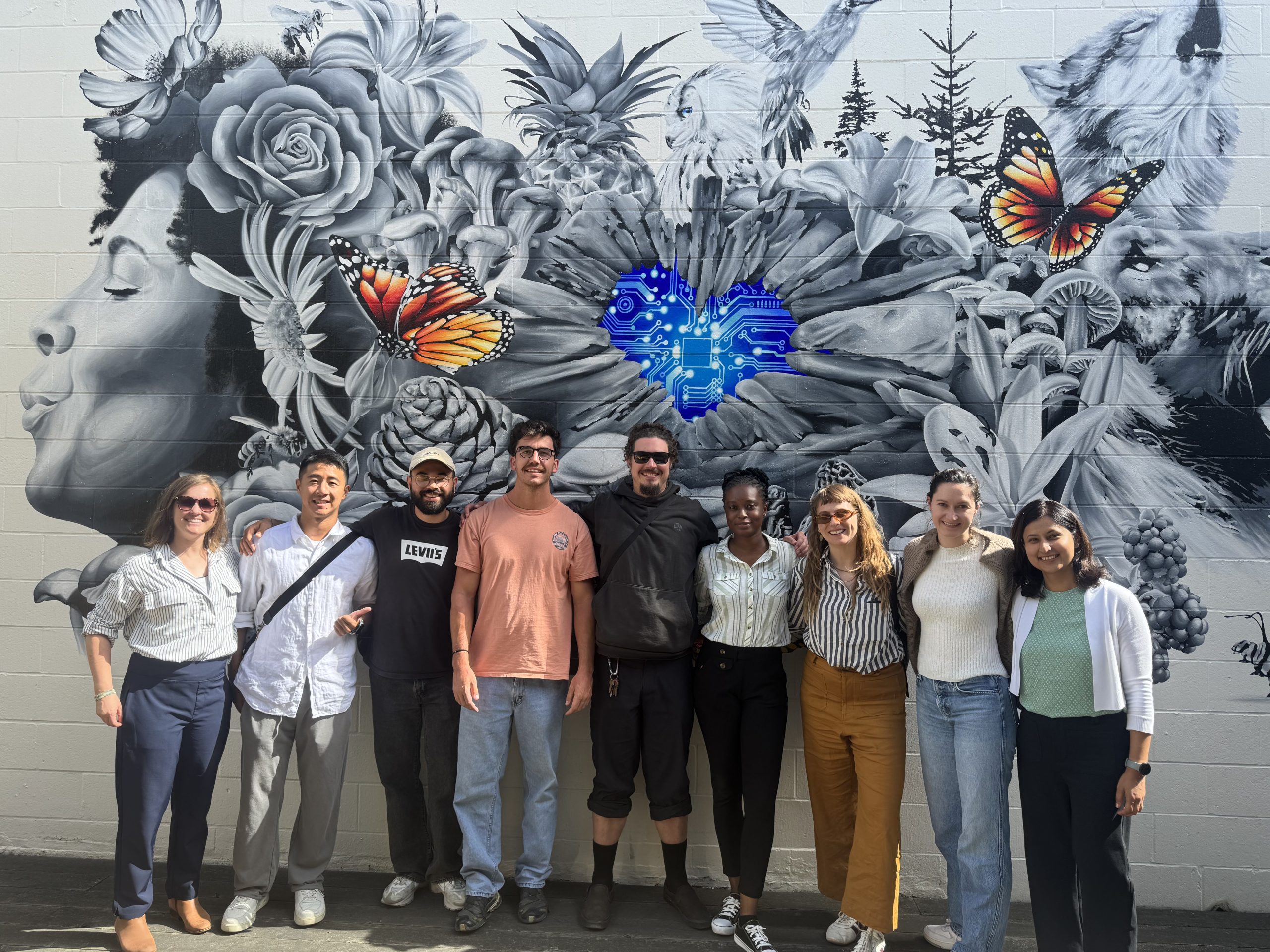
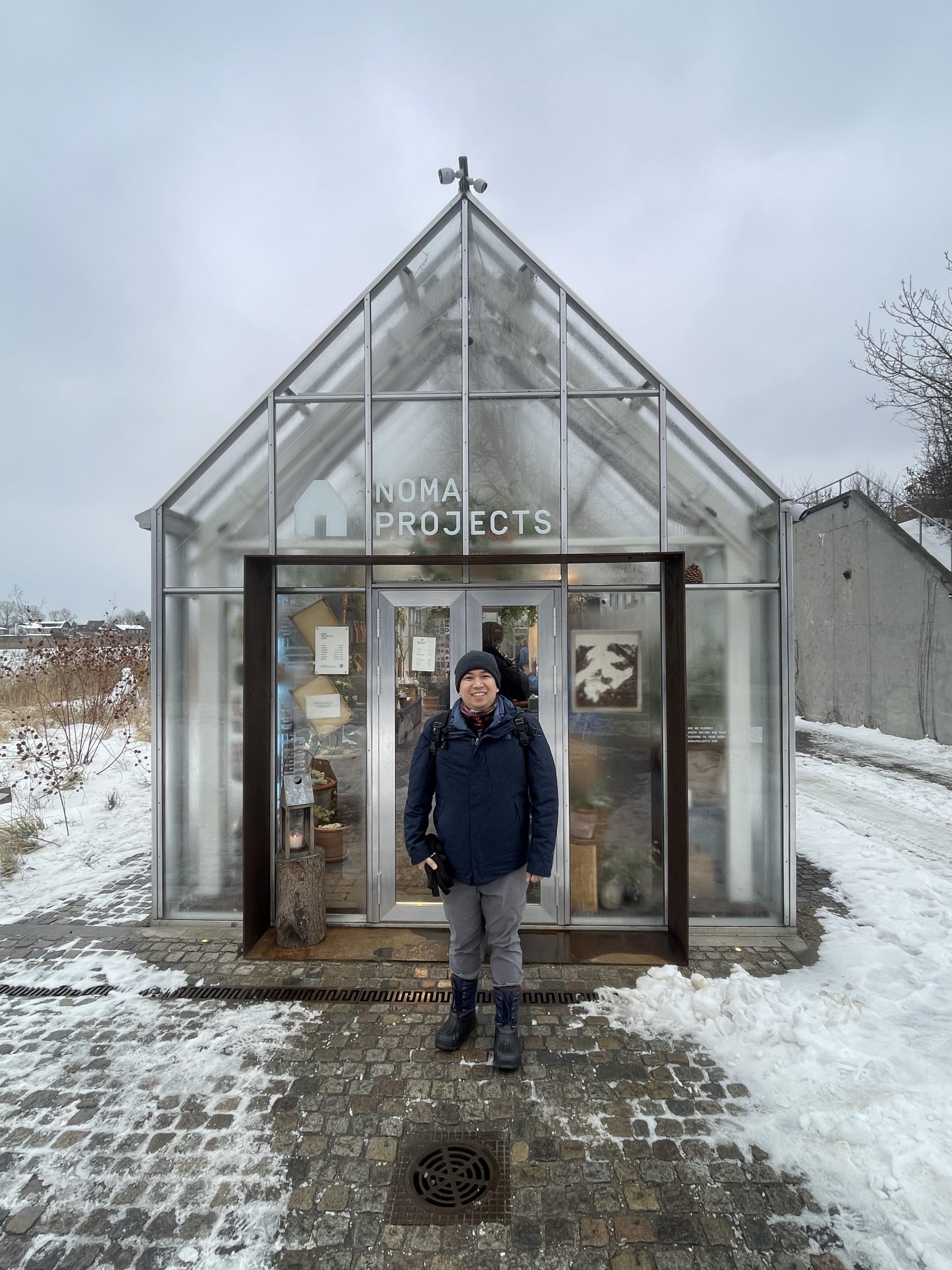
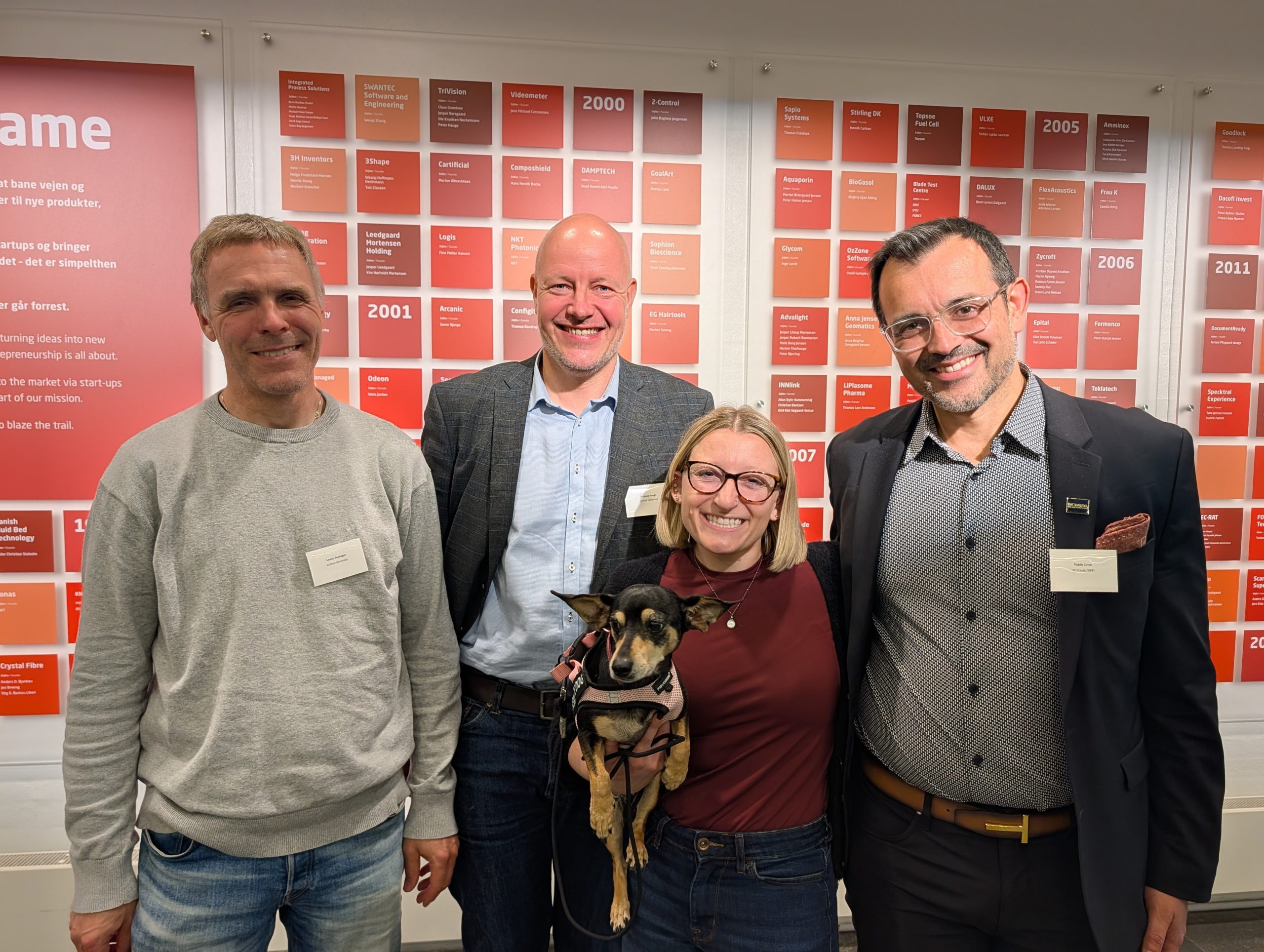
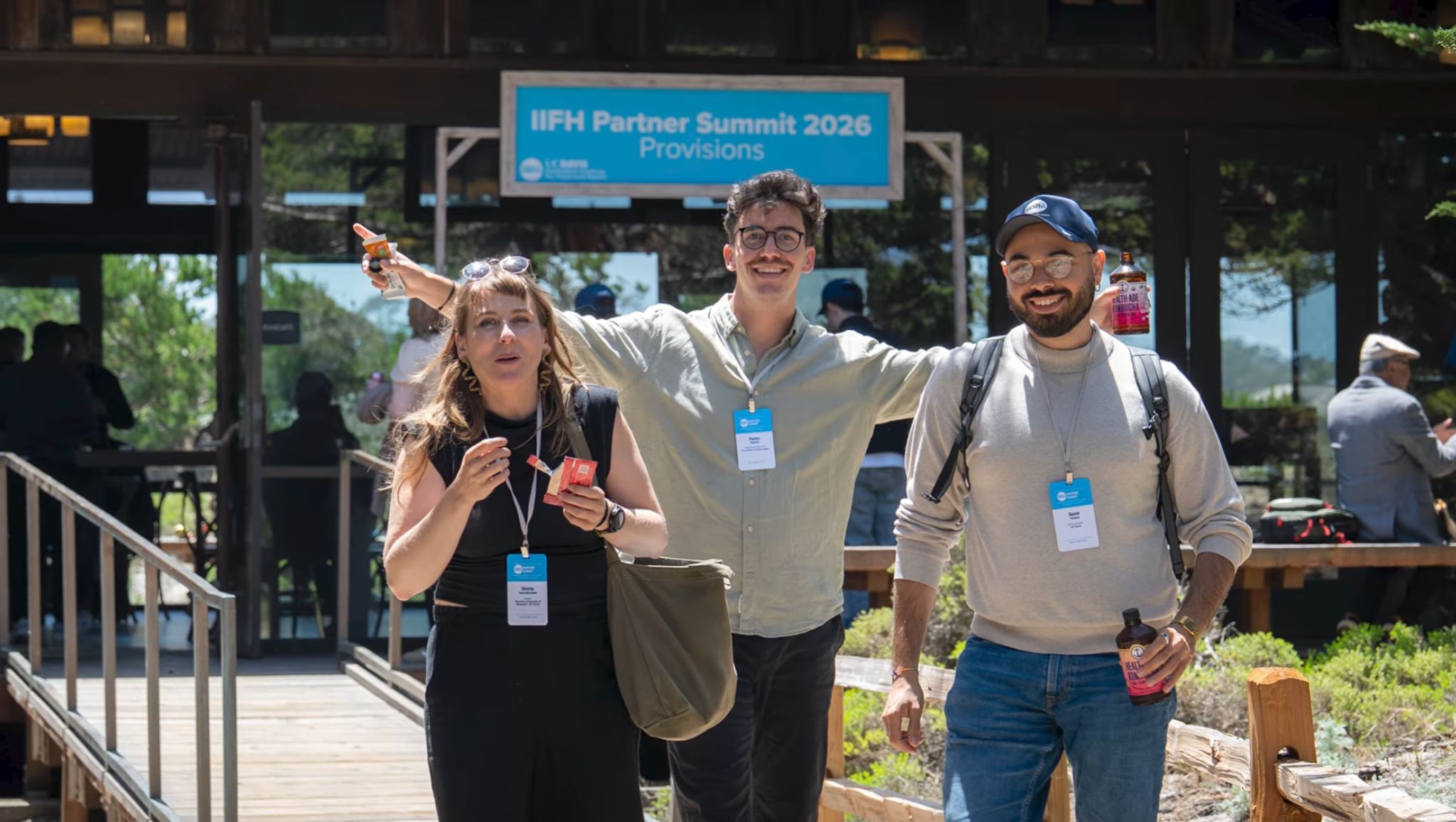
I explored these ideas by collaborating with a sector-focused venture capital firm, attending conferences, giving presentations, visiting companies and innovation environments, and beginning to develop a startup idea. If you are interested in hearing more about the startup journey, feel free to send me a message.
The transatlantic experience also highlighted cultural differences. American innovation environments often emphasize speed, confidence, competition, and individual initiative. Danish and European workplaces tend to place greater value on consensus, modesty, balance, and collective decision-making. Both approaches have strengths, but both also carry risks.
Most importantly, the fellowship reinforced the ethical role of science. In food, health, longevity, and personalized nutrition, scientific integrity helps distinguish credible innovation from attractive but unsupported claims. Storytelling is necessary, but it must remain grounded in evidence.
Finally, the fellowship has broadened my career ambitions beyond a traditional academic path. I am now trying to see where the entrepreneurship journey takes me. Although destinations are not clear, I can say that innovation has moved much closer to the center of my plans.