New research co-authored by UC Davis professor Dr. Ameer Y. Taha highlights brain cholesterol regulation as a promising upstream target for preventing and slowing Alzheimer’s disease. The review synthesizes growing evidence that disruptions in cholesterol homeostasis—driven by aging, inflammation, oxidative stress and metabolic dysfunction—can contribute to amyloid buildup, tau pathology, neuroinflammation and synaptic damage. Rather than viewing cholesterol changes as simply a consequence of disease, the authors present them as a key driver of Alzheimer’s progression and discuss emerging therapeutic strategies aimed at restoring healthy brain cholesterol balance.
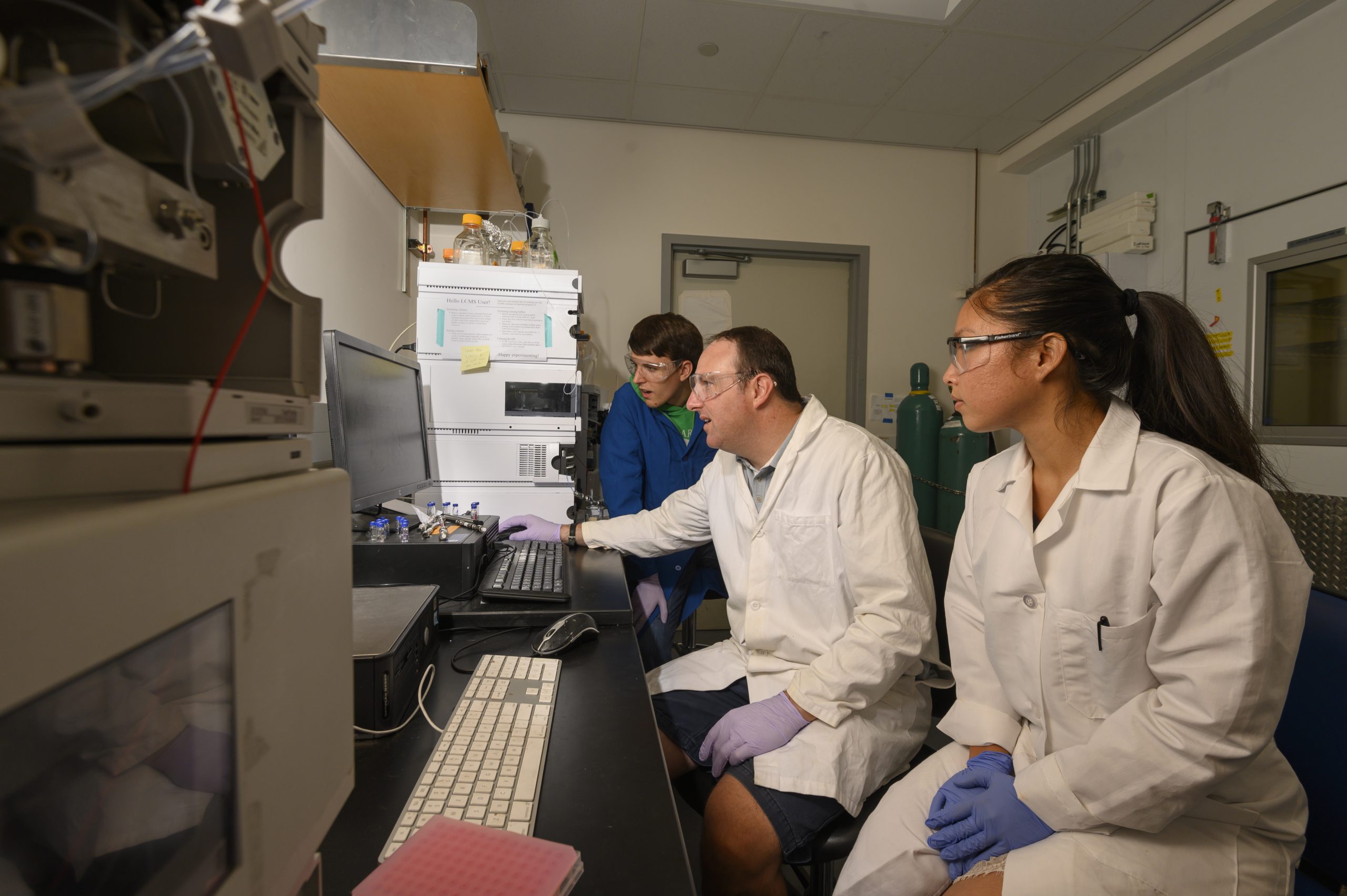
At the UC Davis Department of Food Science and Technology and the Institute for Innovation in Food and Health (IIFH), Dr. Taha’s research explores how lipids and lipid metabolism influence brain health, neuroinflammation and neurodegenerative disease. This review reflects the institute’s commitment to advancing nutrition and food-based research that uncovers the biological pathways linking diet, metabolism and lifelong cognitive health, with the goal of informing future prevention and treatment strategies for Alzheimer’s disease.